VICTOR QUATTRIN
CREATIVE DIRECTOR | BRAND BUILDER | CULTURE DRIVER
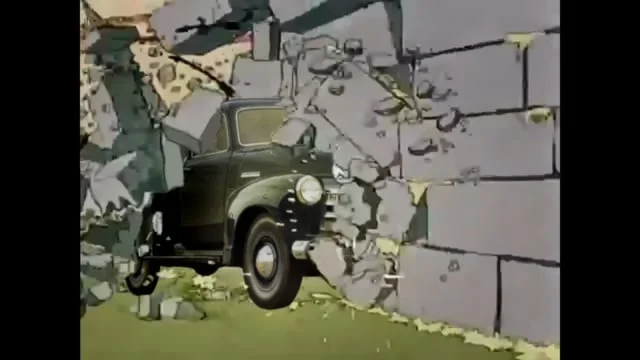
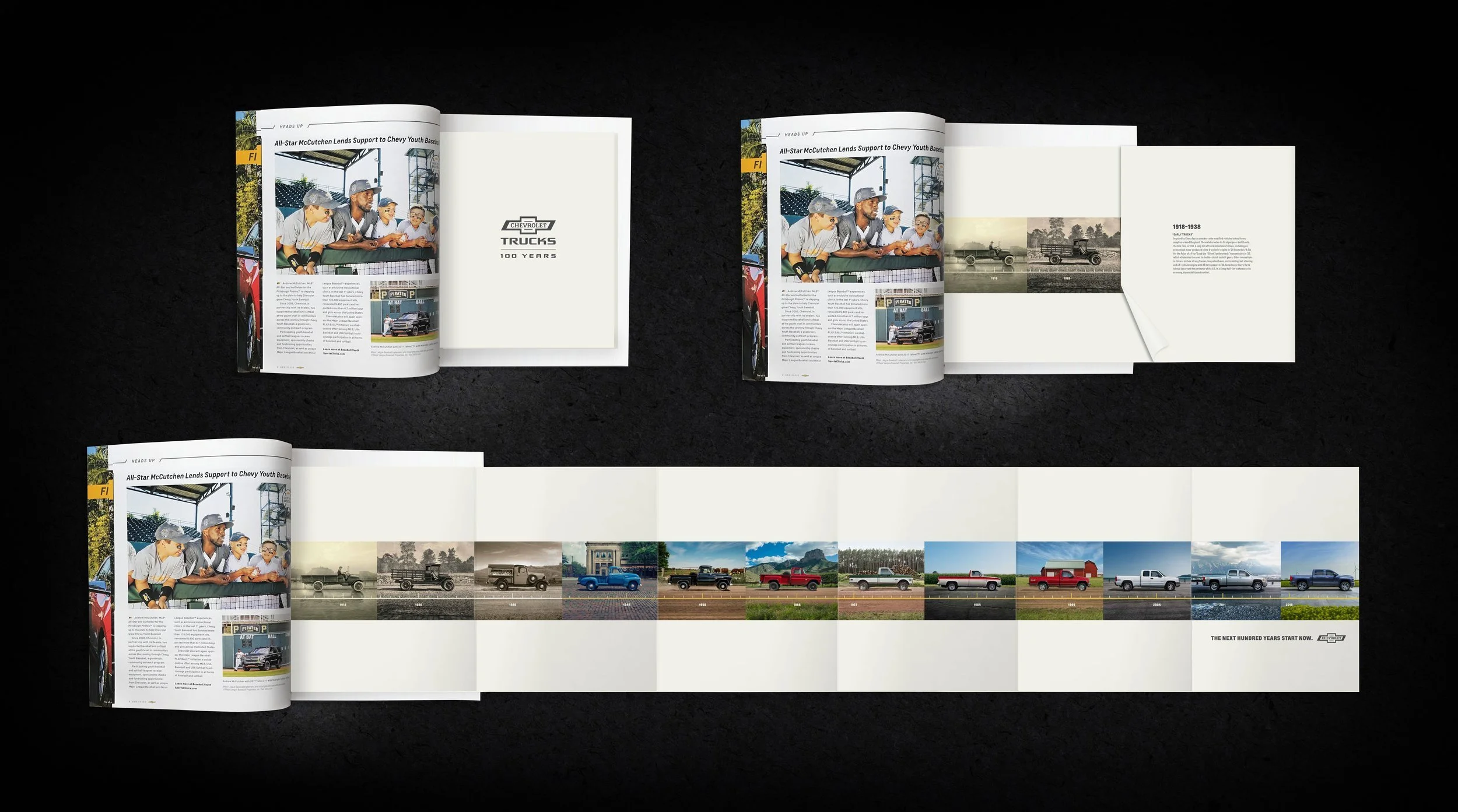
The hard part: making 1918 and 2018 live in the same frame.
The transition between archival and modern footage sounds simple until you're in the grade trying to make it work. Archival film has grain, color temperature, aspect ratio, and a visual texture that is incompatible with modern high-definition cinematography: unless you approach the problem from both ends.
That meant two things happening in parallel. On the creative direction side: decisions about which archival moments to match with which modern ones, which transitions earned a hard cut versus a dissolve, and where the emotional weight of the past needed to breathe before the present could enter the frame. On the technical side: color work that didn't smooth the archival footage into something it wasn't, grain matching that felt intentional rather than corrective, and an edit precise enough that the transition between eras felt inevitable rather than constructed.
The temptation in that process is always to cheat toward the modern to clean up the archival footage until it plays nice with the HD material. We resisted that entirely. The texture of the past was the point. The contrast between eras wasn't a problem to solve. It was the idea.
The scale.
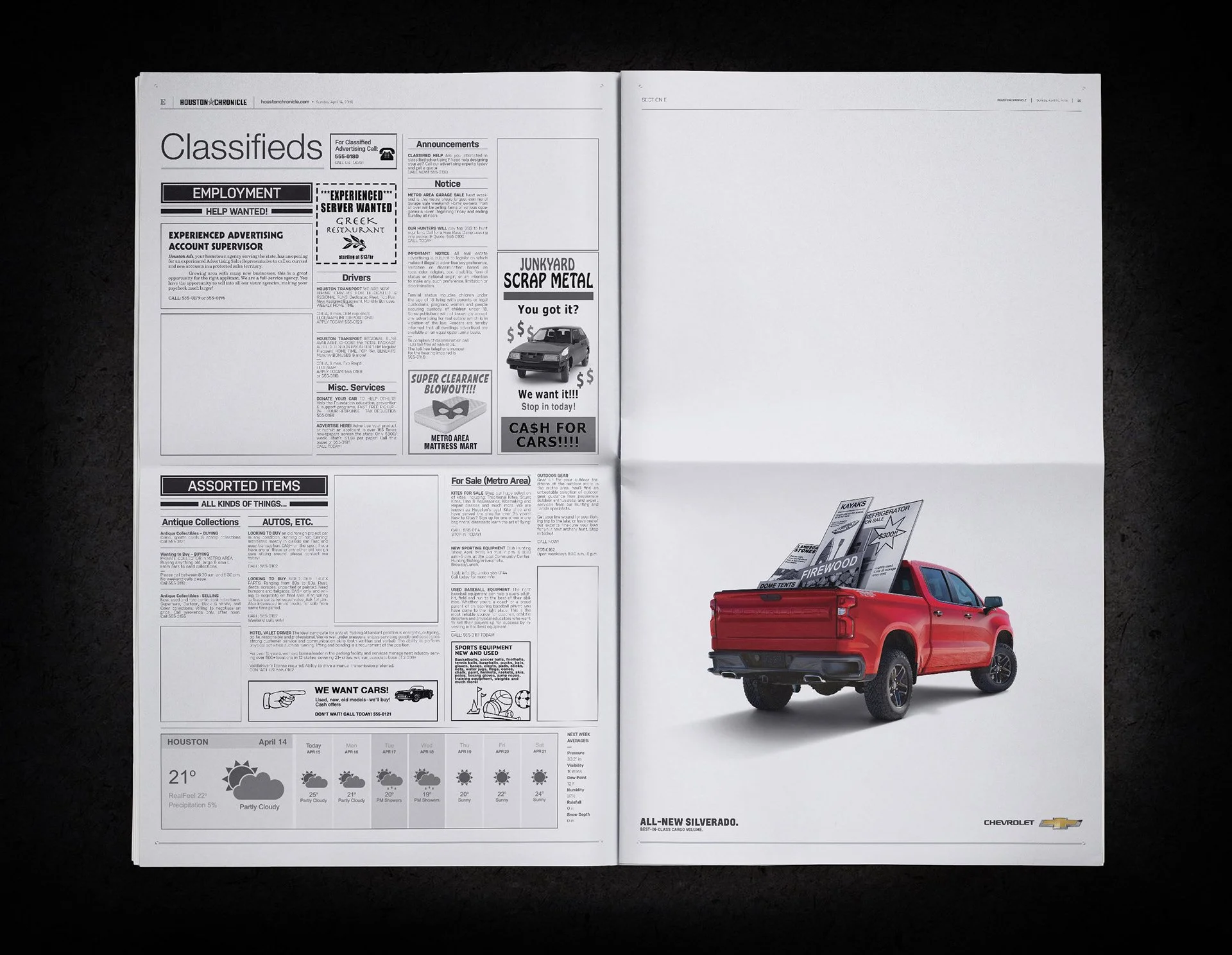
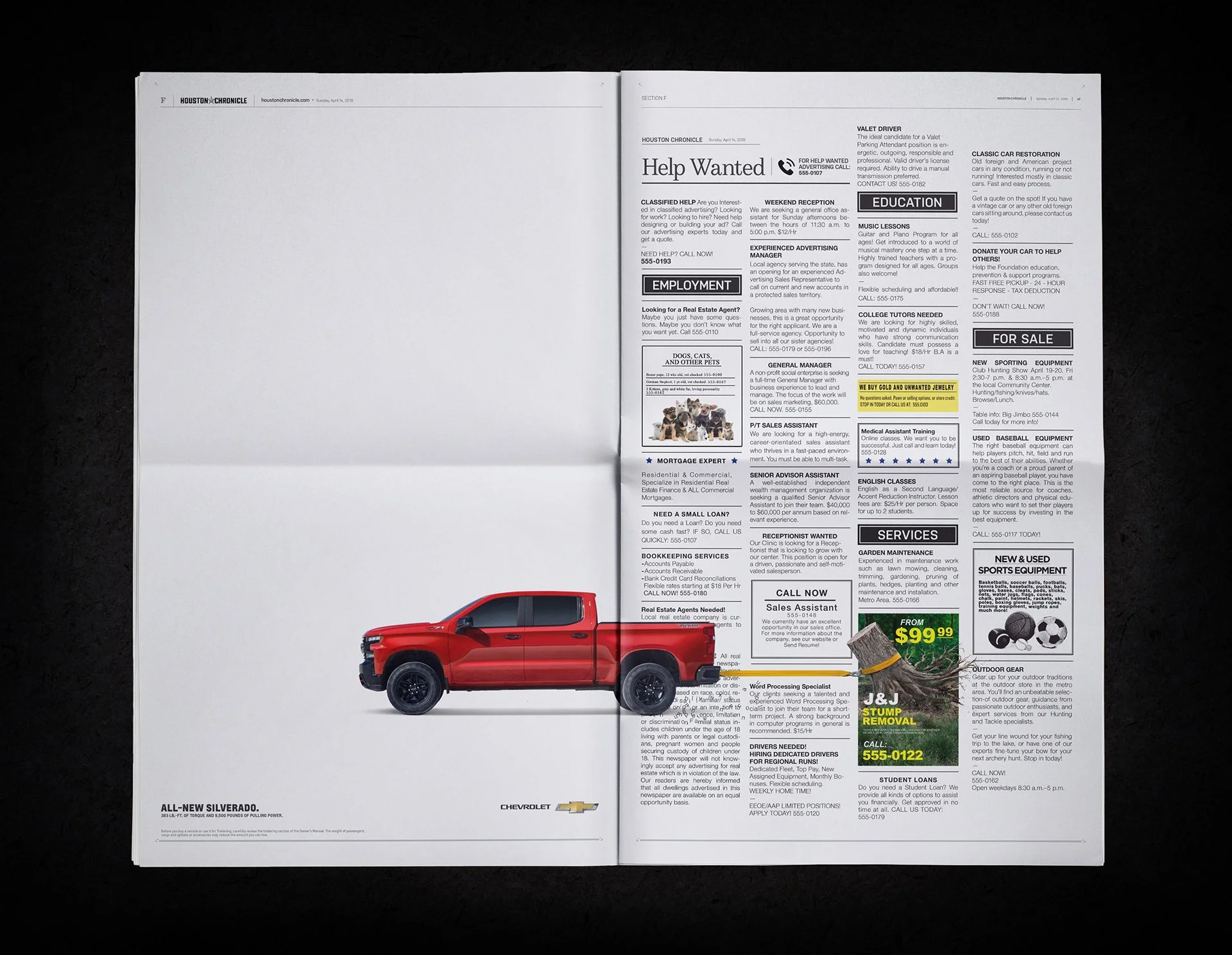
This wasn't a single spot. It was a cross-platform wall of heritage TV, cinema, social, print, OOH, and digital, all rolling out simultaneously, all maintaining the same visual and tonal consistency. The creative direction challenge at that scale isn't just making great individual executions. It's ensuring that someone who sees a print ad on a Tuesday and a cinema spot on a Saturday feels like they're inside the same world both times.
D-Show Best in Show. One Show Merit for Moving Craft. ADC Bronze. Multiple craft awards across editing and cinema at the Clios, Cresta, and LIA. The industry recognized it as a craft benchmark: which it was. But the more important recognition was from the audience: a centennial campaign that reinforced Chevy's position as the most dependable truck on the road without ever feeling like it was trying to.
That's the hardest thing to pull off in heritage work. Making the past feel like a reason to believe in the future, not a reason to feel sentimental about it.
What this piece proves: that I understand craft at a technical level not just what looks right, but why it looks right and what decisions in the grade, the edit, and the color work produce that feeling. Creative direction that stops at the concept and delegates the rest isn't creative direction. It's ideation. The work lives in the details all the way through finishing.
Honors and Awards D-Show Best in Show · One Show Merit / Moving Craft · Art Director's Club Bronze / Television · Art Director's Club Merit / Editing · Clios Shortlist / Video · Cresta Bronze / Cinema · LIA Bronze / Editing · New York Festivals 2nd Place / Craft