VICTOR QUATTRIN
CREATIVE DIRECTOR | BRAND BUILDER | CULTURE DRIVER
How I Lead
I build departments that make ideas people can't ignore.
After 18 years leading creative at scale from 9-month broadcast productions to 24-hour real-time campaigns I've developed a simple conviction: great creative leadership isn't about having the best ideas. It's about building the conditions where the best ideas can survive.
That means protecting the work. It means knowing when to push the craft harder and when to let a writer's instinct run. It means being the person in the room who can articulate why an idea is right to a nervous CMO, a skeptical strategist, or a junior creative who needs to believe it.
How I run a creative department
I lead as a player-coach. I'm always close enough to the work to push it, but my job is ultimately to make the team better, not to be the hero of every brief. The measure of my leadership isn't the awards I've won; it's the creatives who went on to win their own.
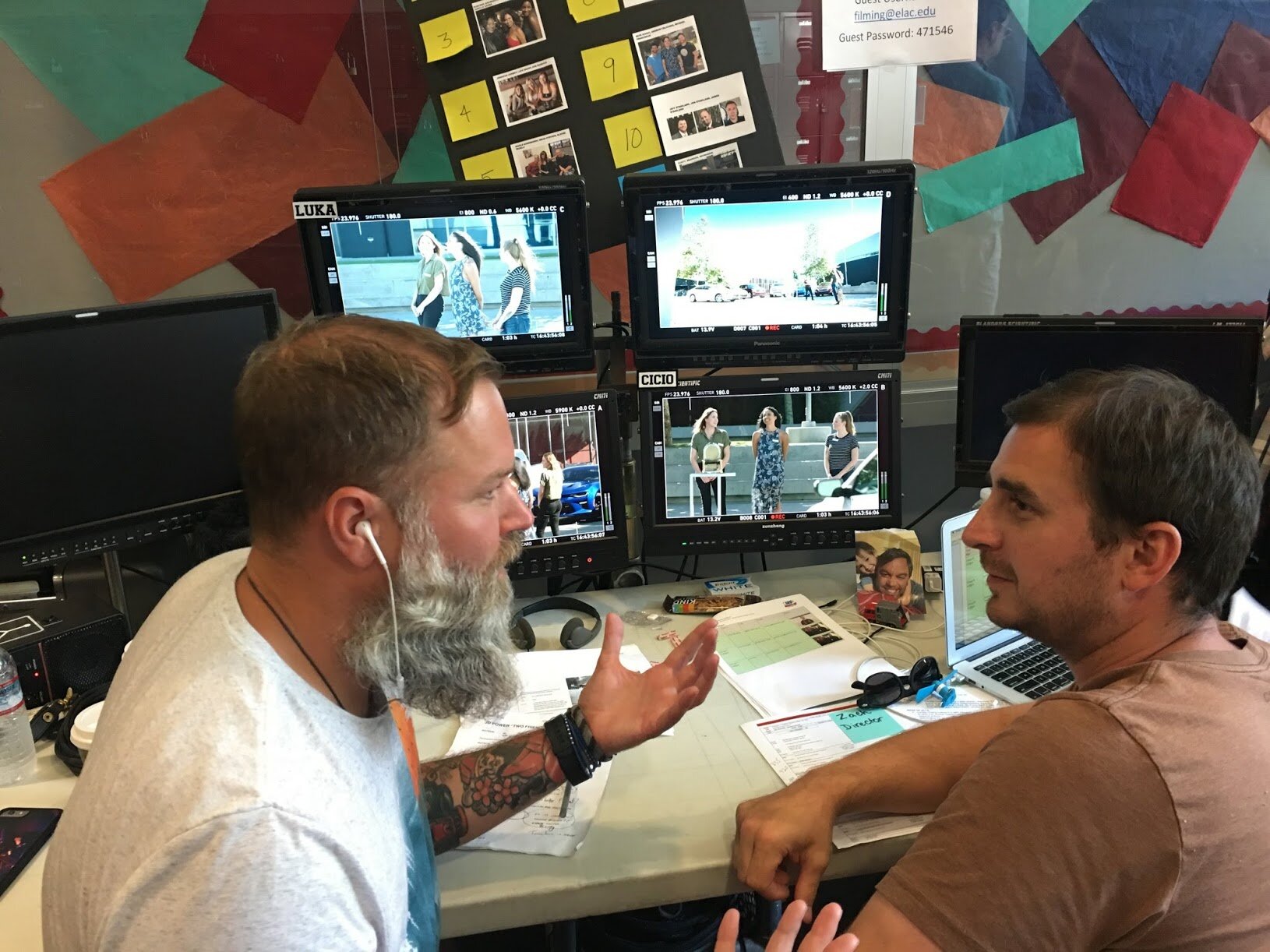
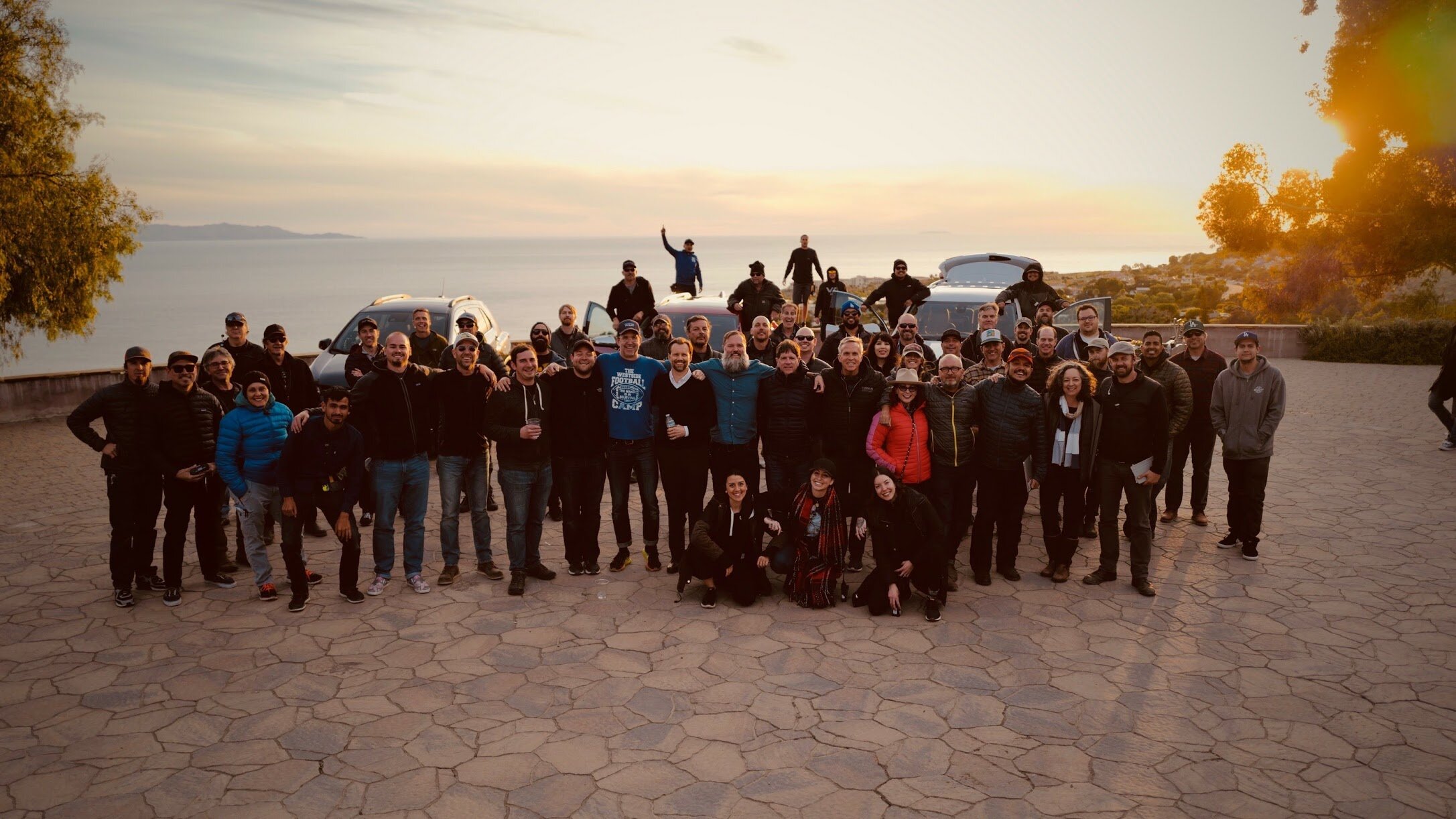
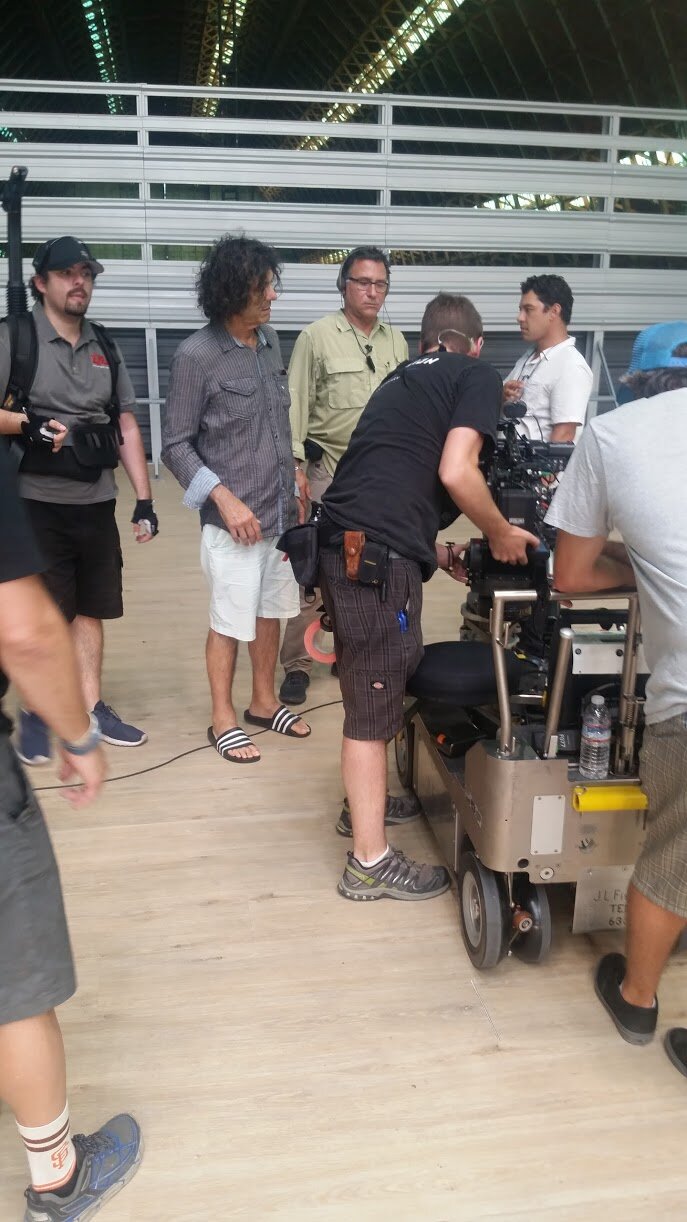
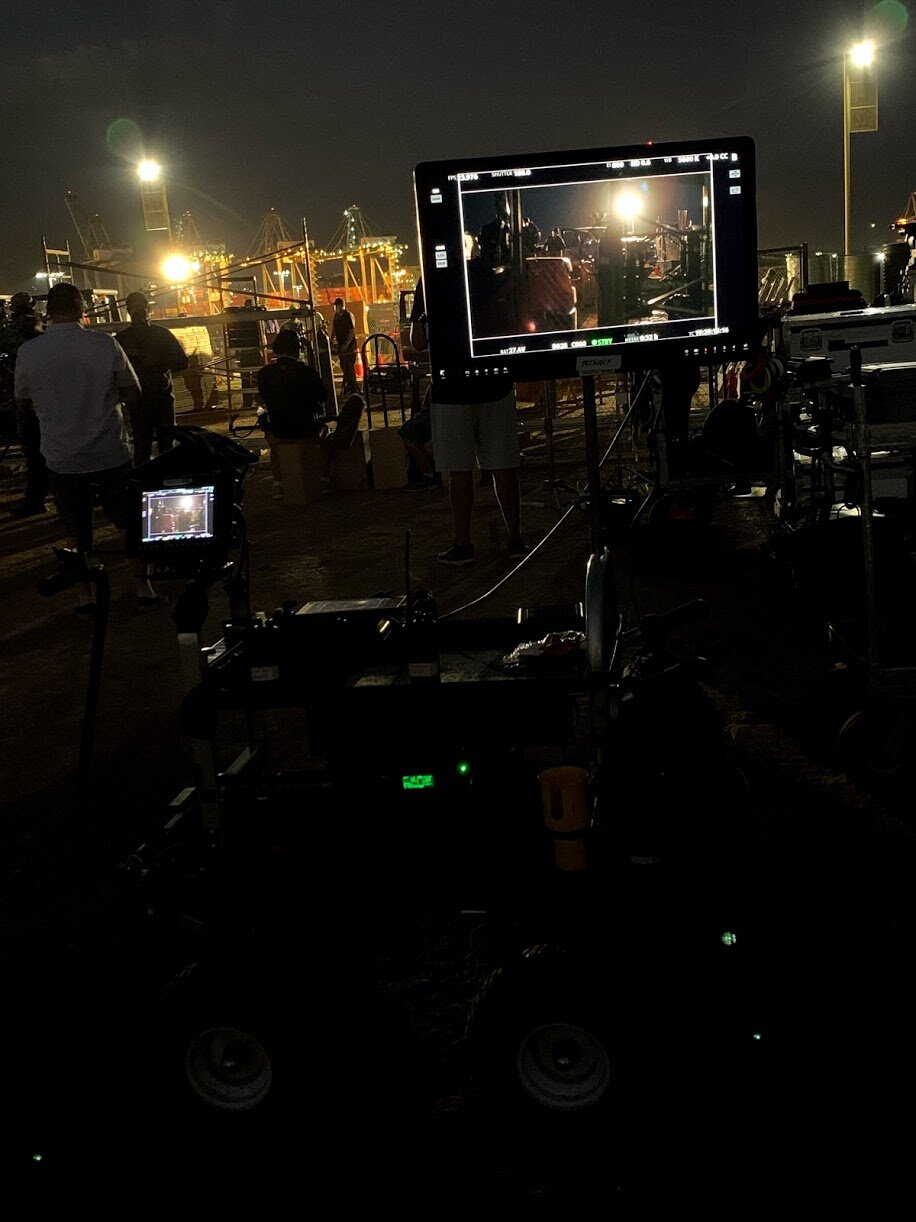
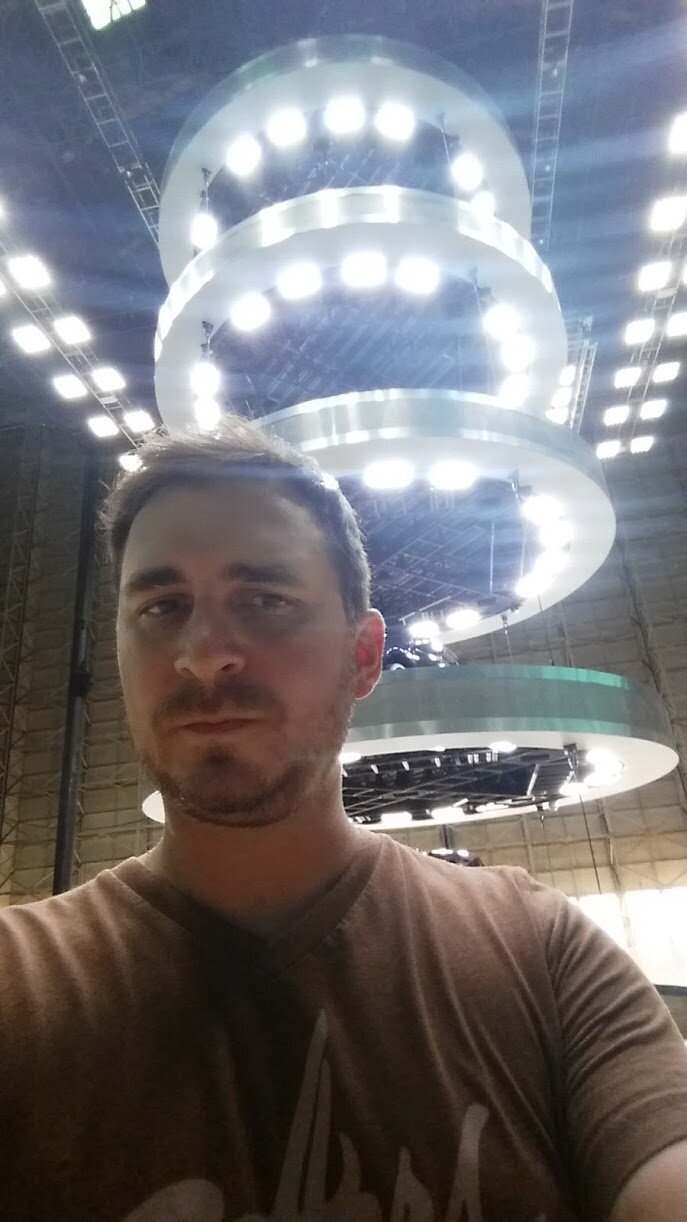
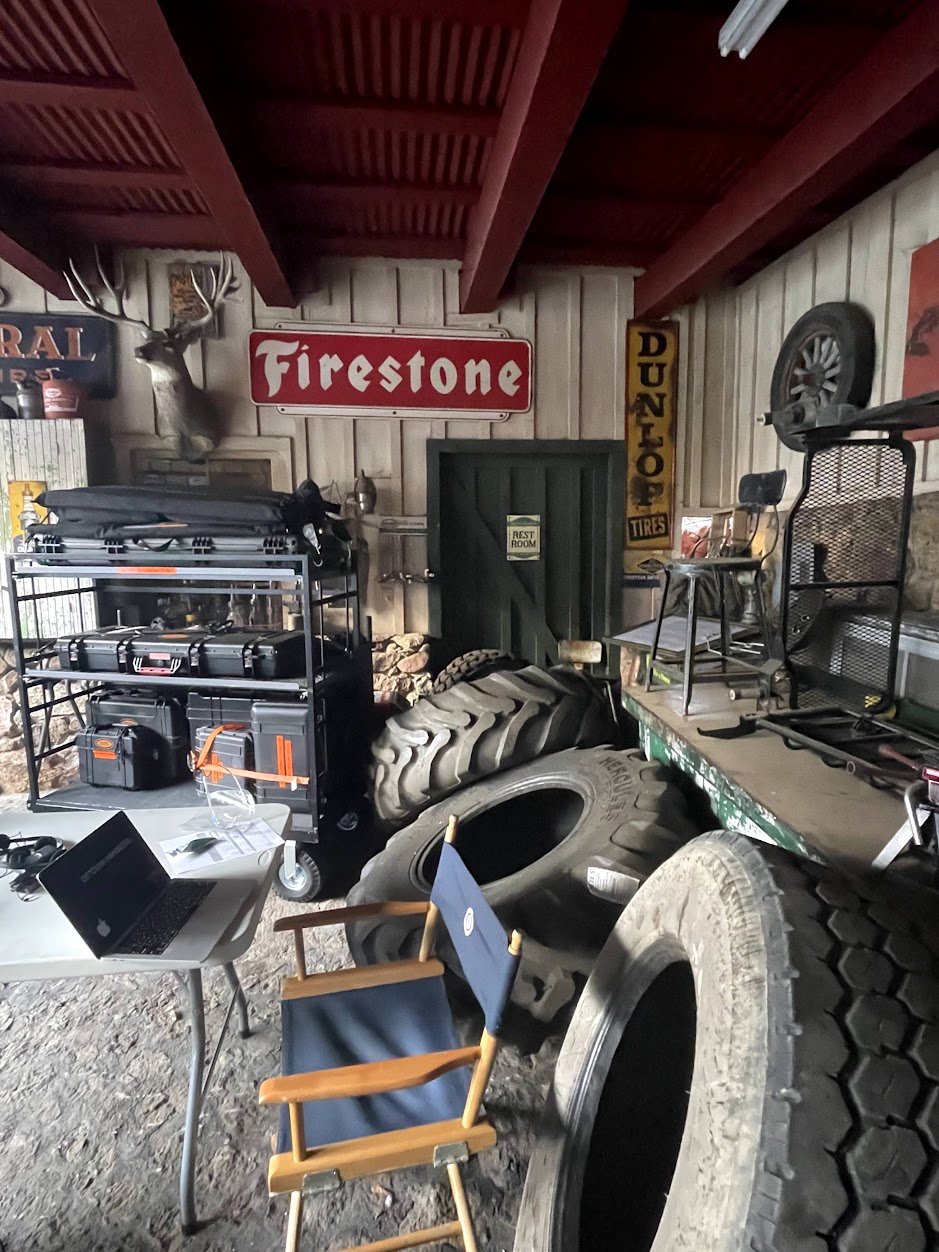
I set direction early and clearly, so teams aren't guessing. I build creative frameworks platforms, not campaigns so the work has somewhere to live beyond the launch date. And I stay in the room through production, because craft is life.
What I've built
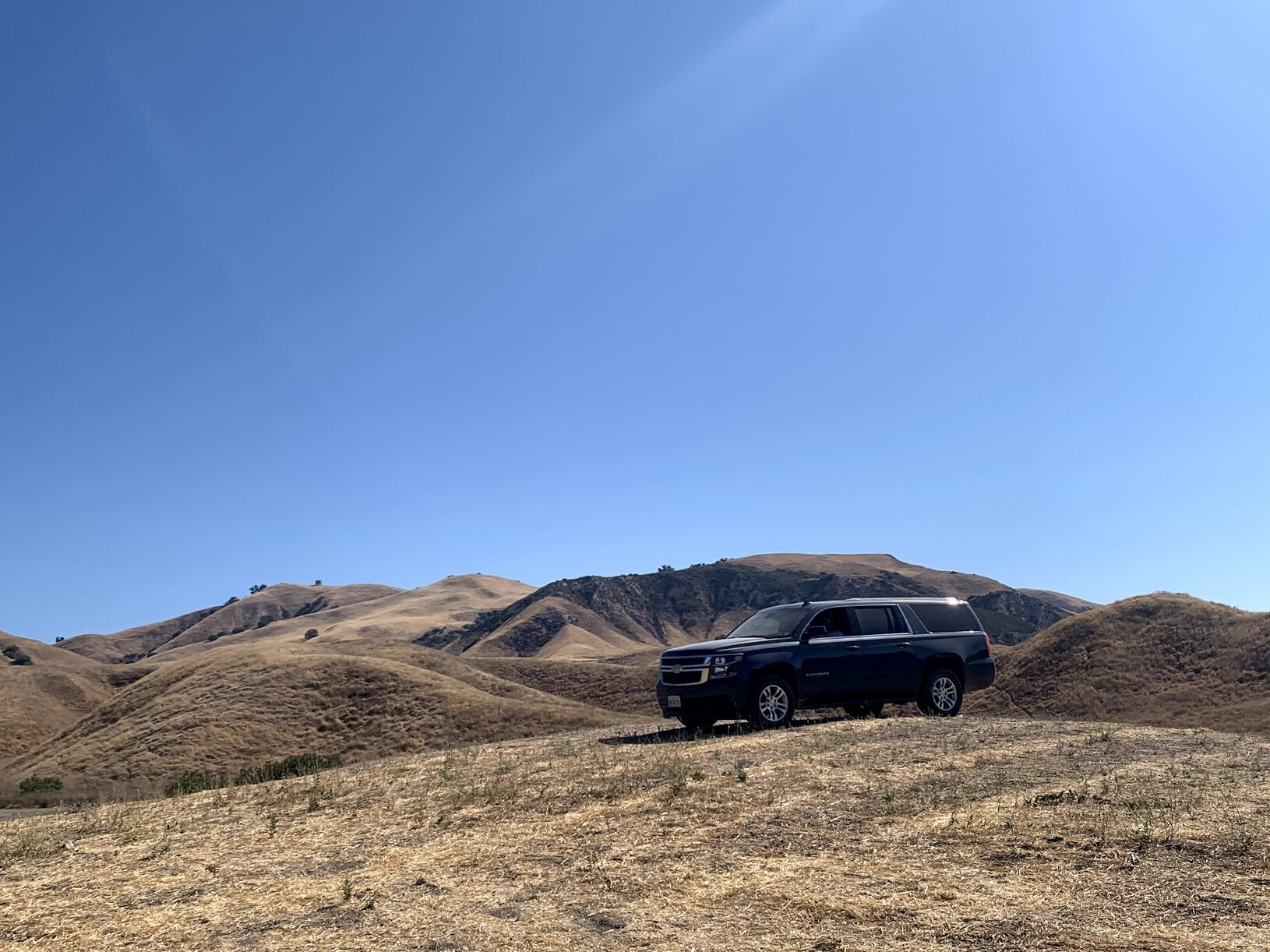
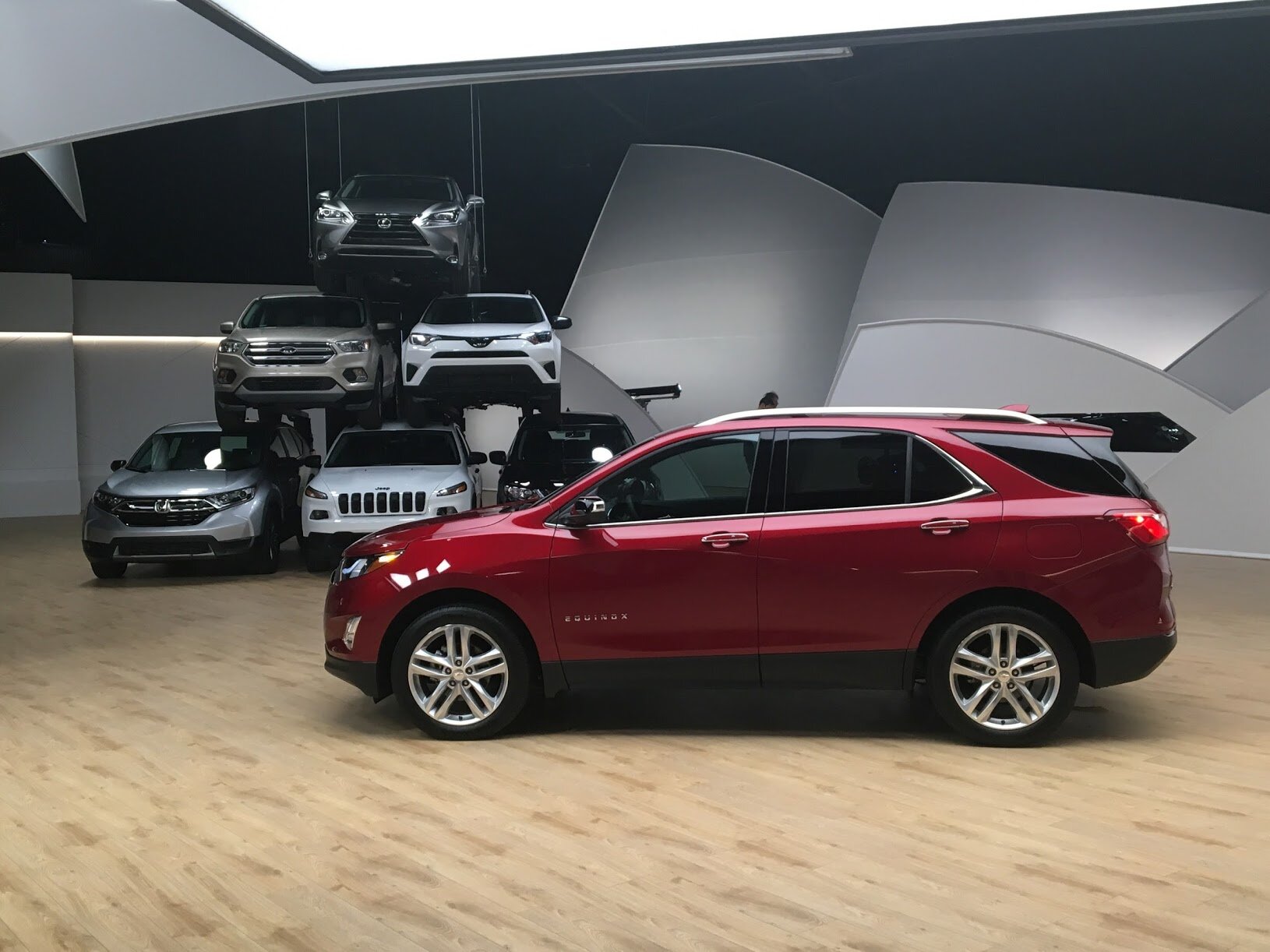
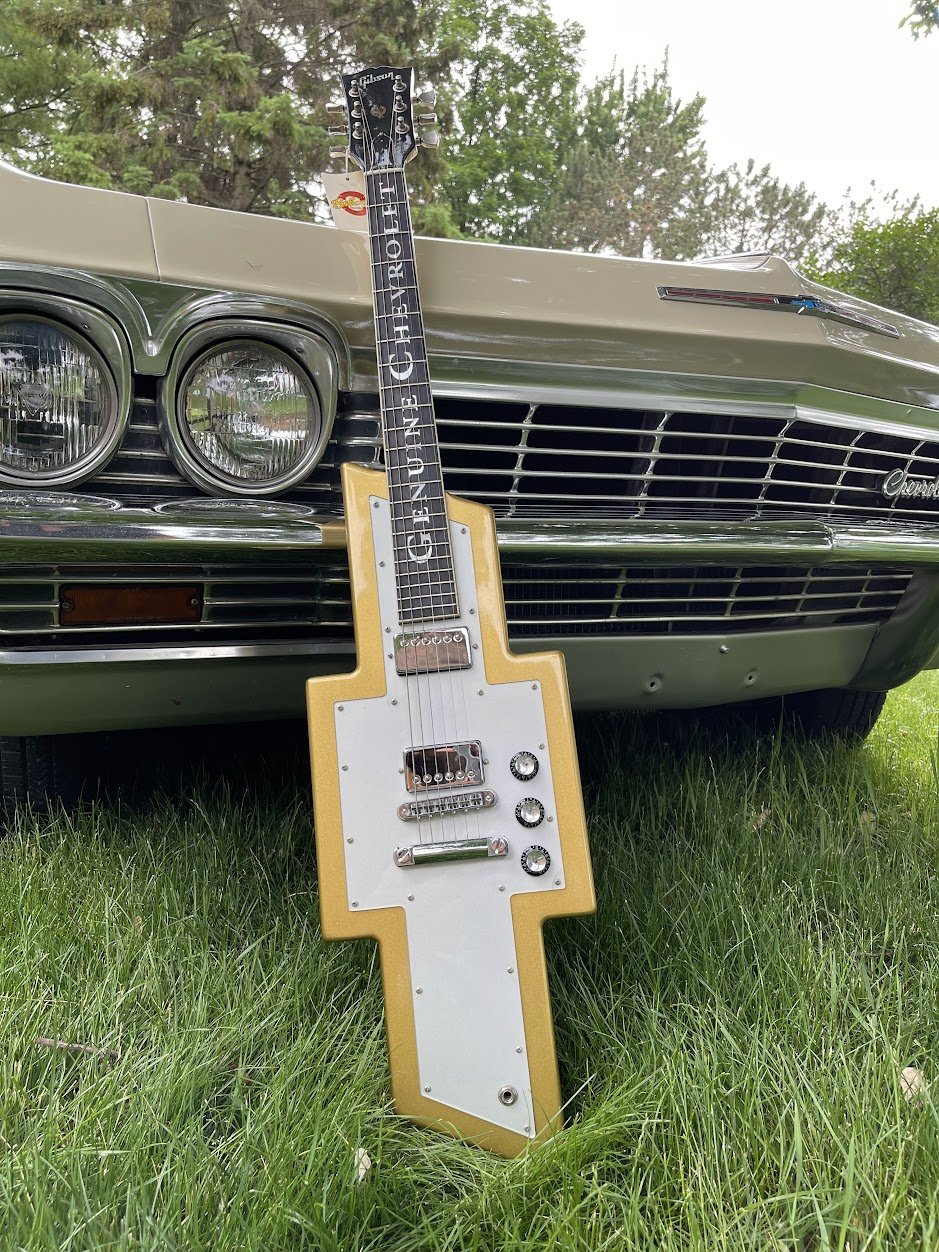
Led the creative team behind "Real People. Not Actors." a platform that ran for nearly a decade and delivered 38 consecutive months of year-over-year growth for Chevrolet. Not a campaign. A system.
Developed real-time creative infrastructure that turned a $5M PR crisis into a Cannes Gold moment in under 48 hours. Speed at that level isn't luck it's a team that's been trained to move.
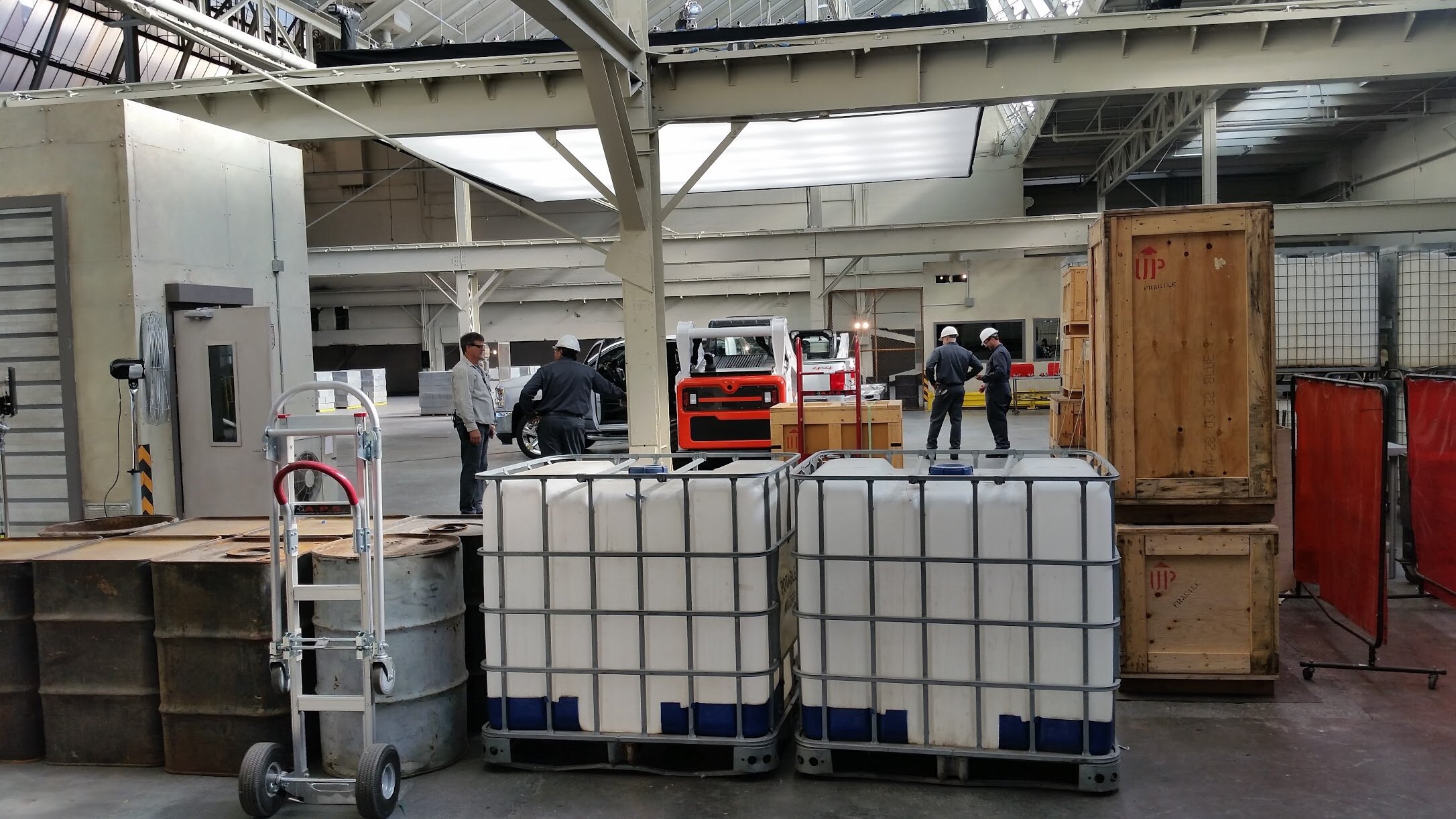
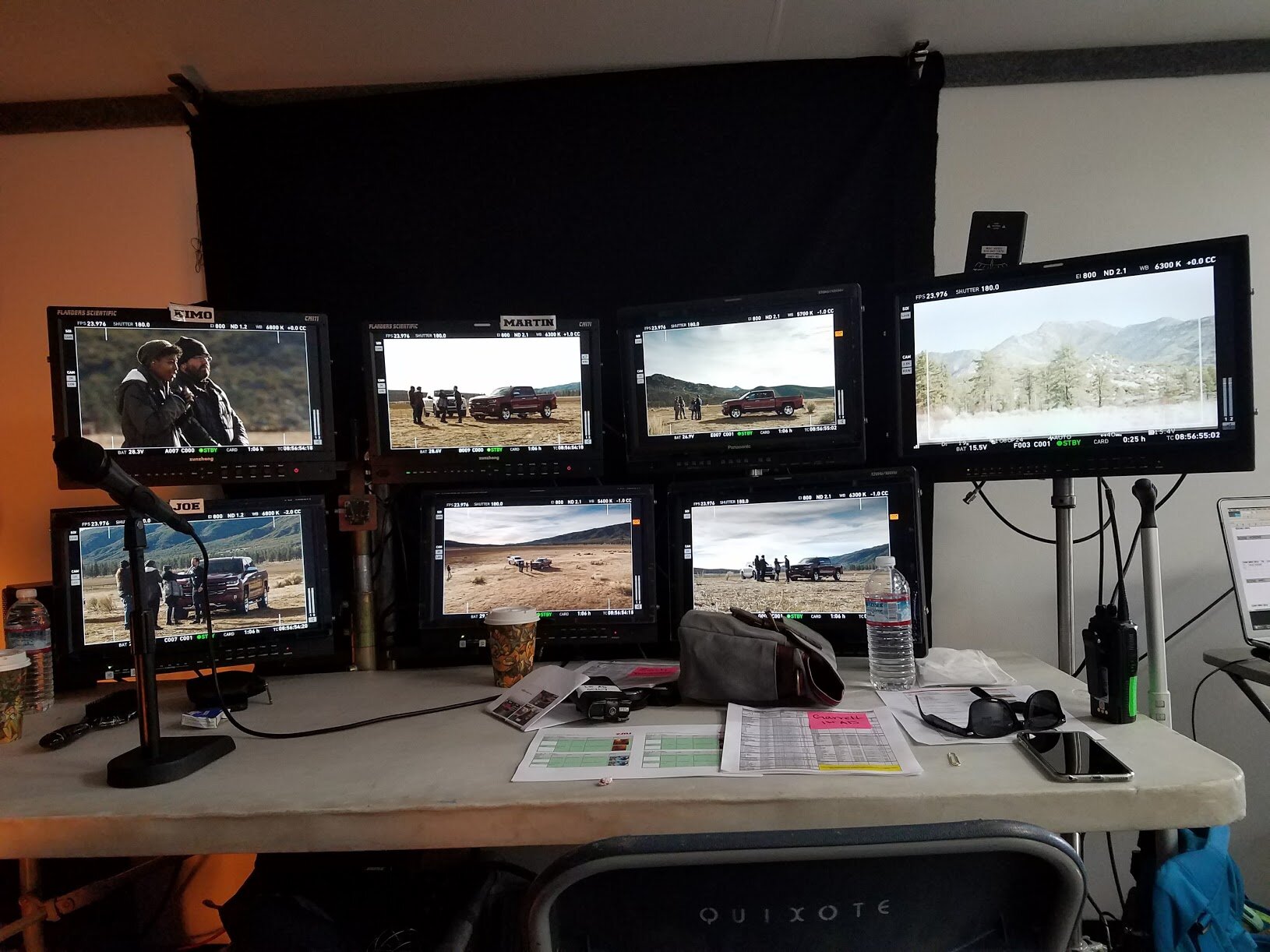
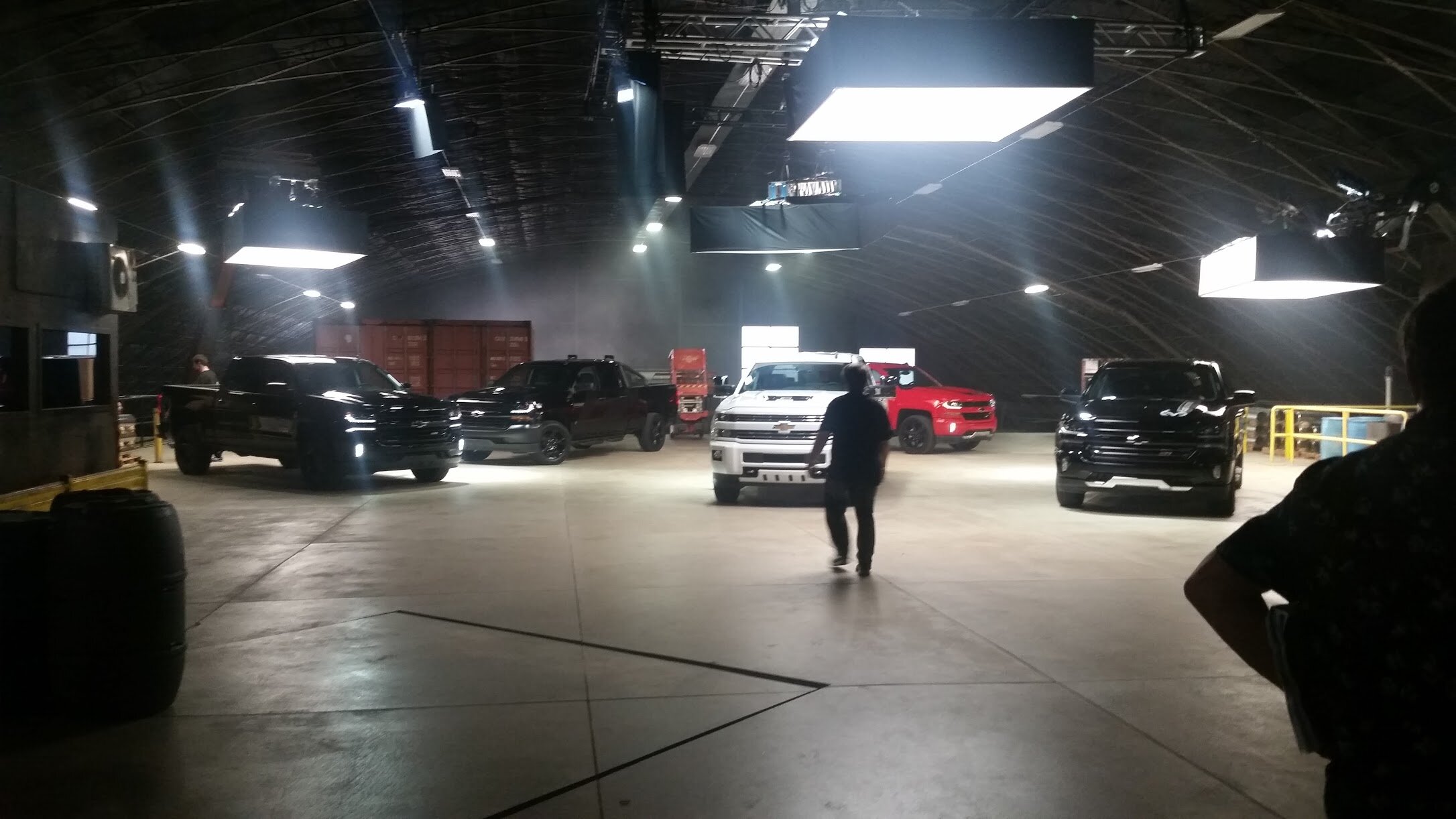
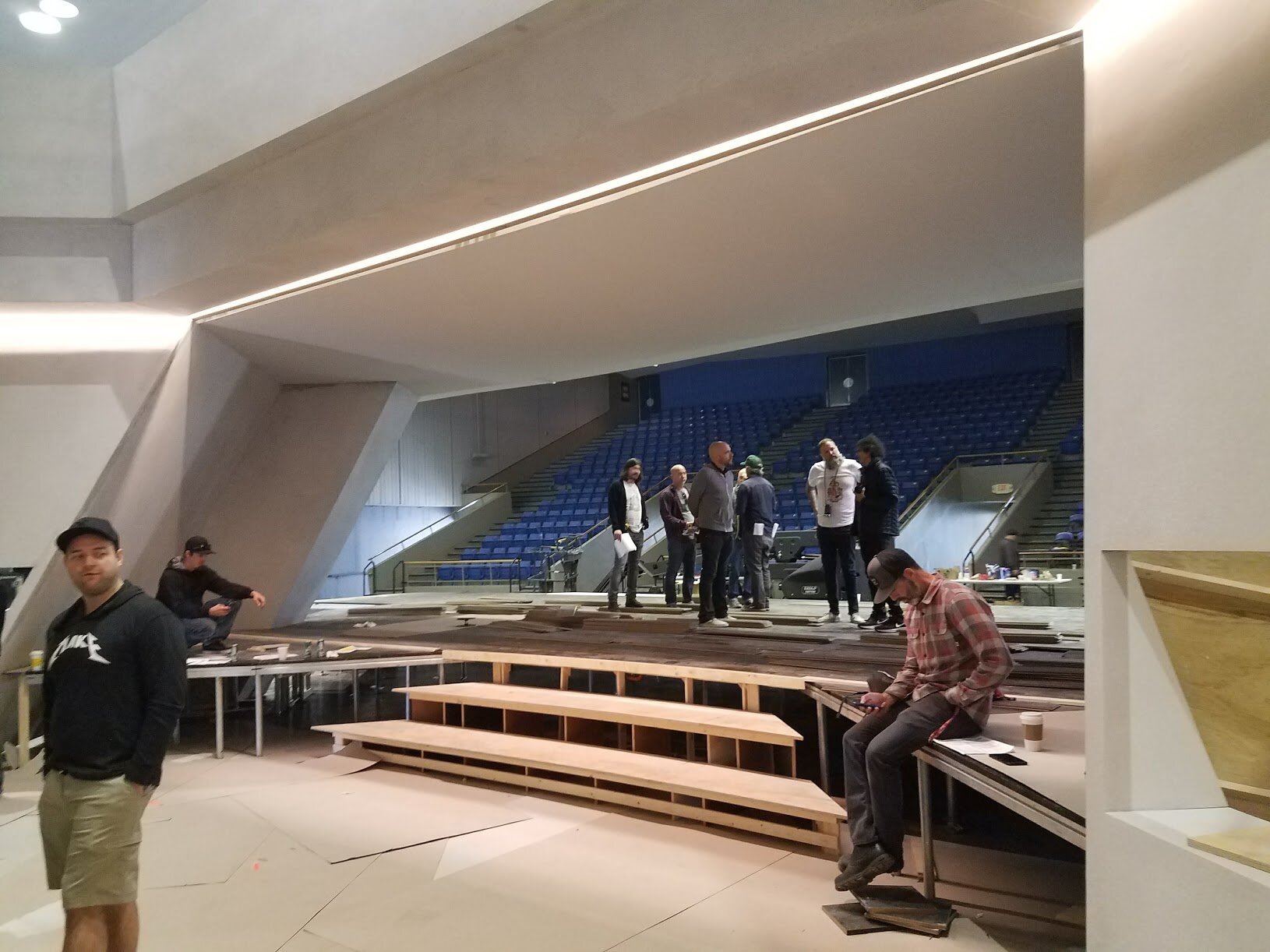
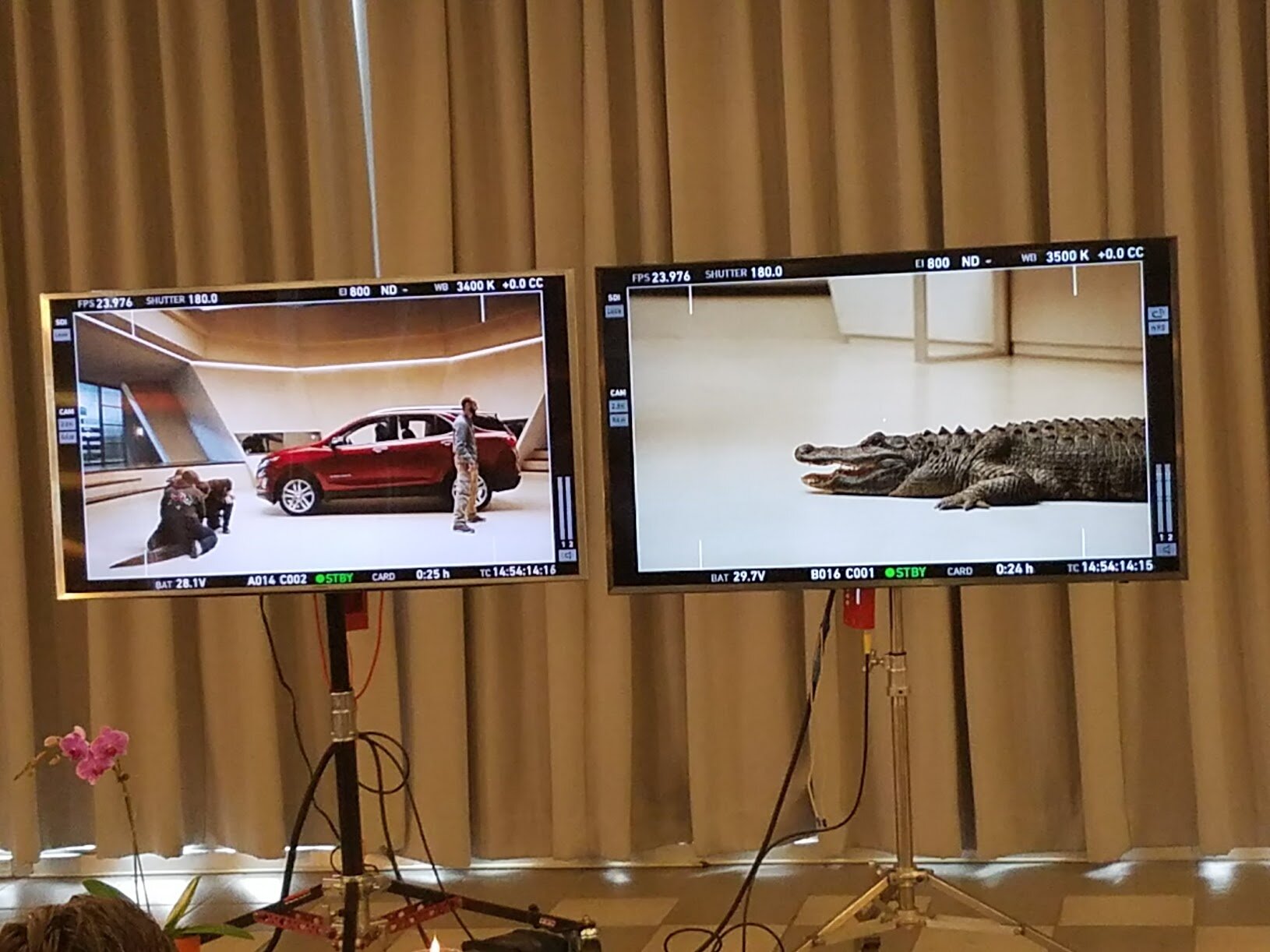
Directed 150+ assets across a single campaign cycle while maintaining visual and tonal consistency across broadcast, social, digital, and experiential. That's a production culture problem, not just a creative one and solving it is part of the job.
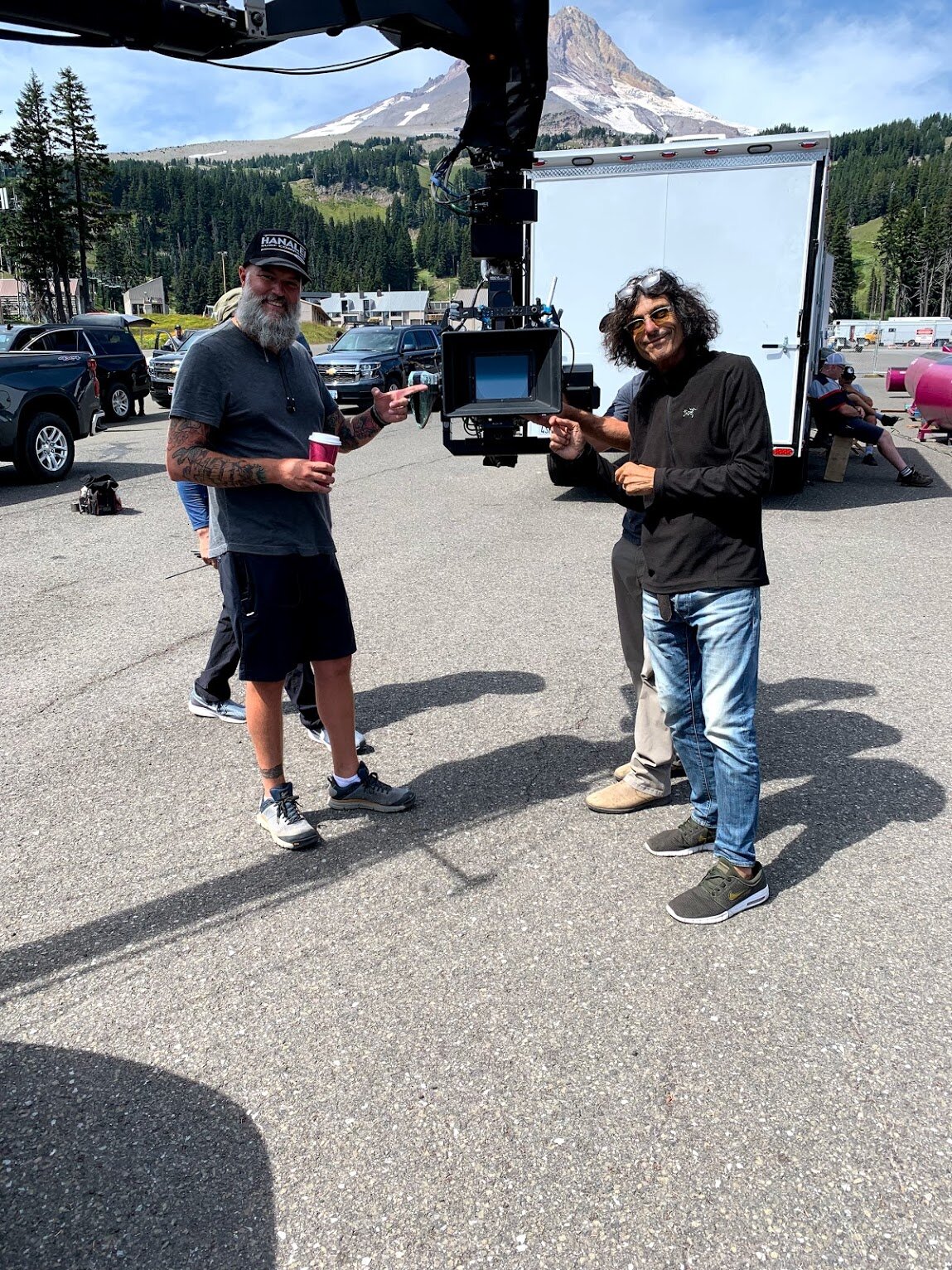
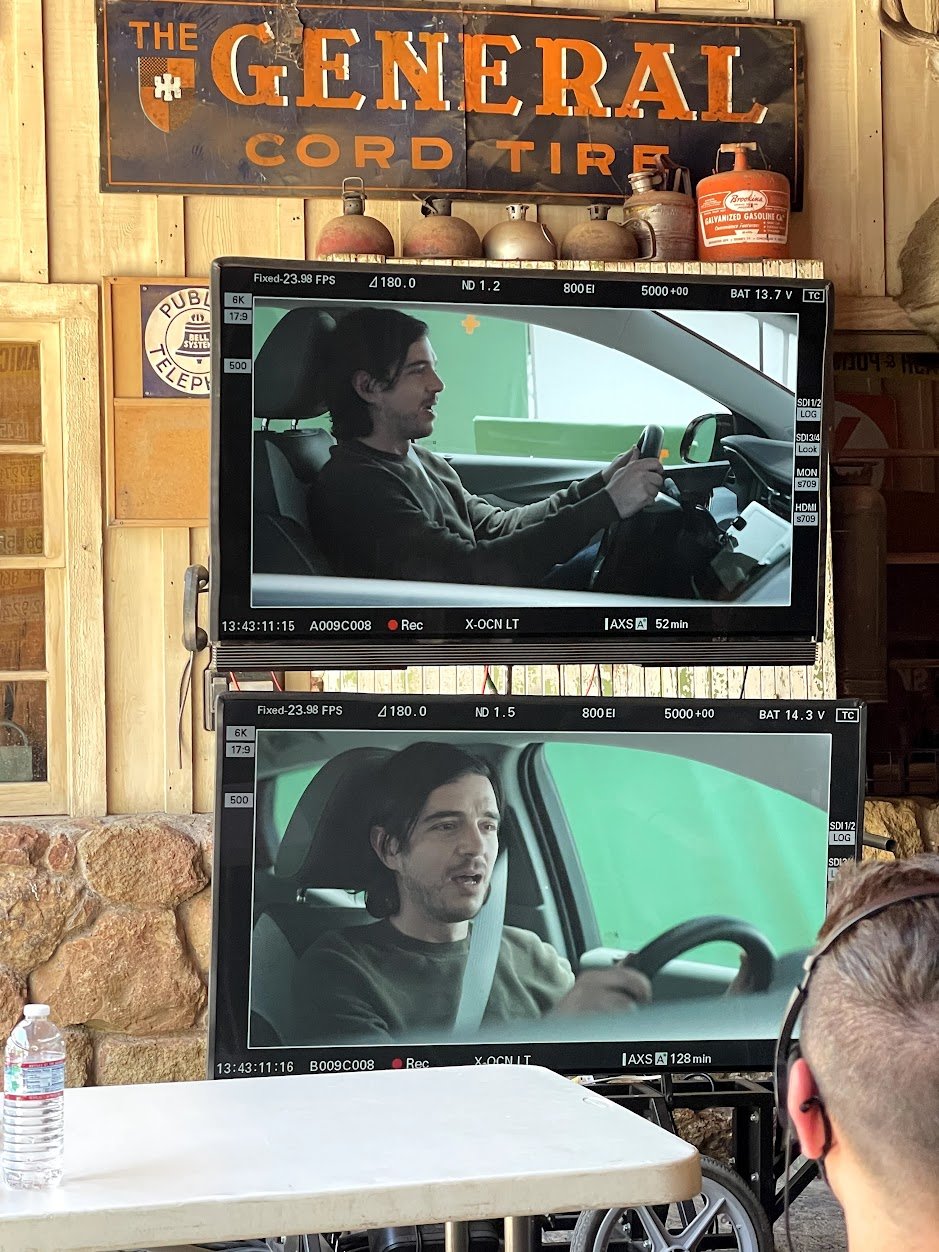
Collaborated with directors including Rupert Sanders, Brian Buckley, Jim Jenkins, Arnaud Uyttenhove, and Zach Merck not as a client, but as a creative partner who could hold the vision through every phase of production.
How I develop people
I taught senior portfolio at the College for Creative Studies for three years. I've mentored writers who became CDs and art directors who became ECDs. The through-line in how I develop talent is the same as how I develop work: I help people find the specific, true thing and then I push them to make it better.
I believe the highest-leverage thing a creative leader can do is teach people to think in systems. Not just "what's the idea" but "where does this idea live in six months, on six channels, with a team of six people."
How I work with AI
I integrate AI as a thinking tool across the entire creative process fast concepting, narrative development, production planning and presentation building. Not as a shortcut. The goal is the same as it's always been: the sharpest idea, executed at the highest level. The tools just move faster now.
The Collaborative Circle
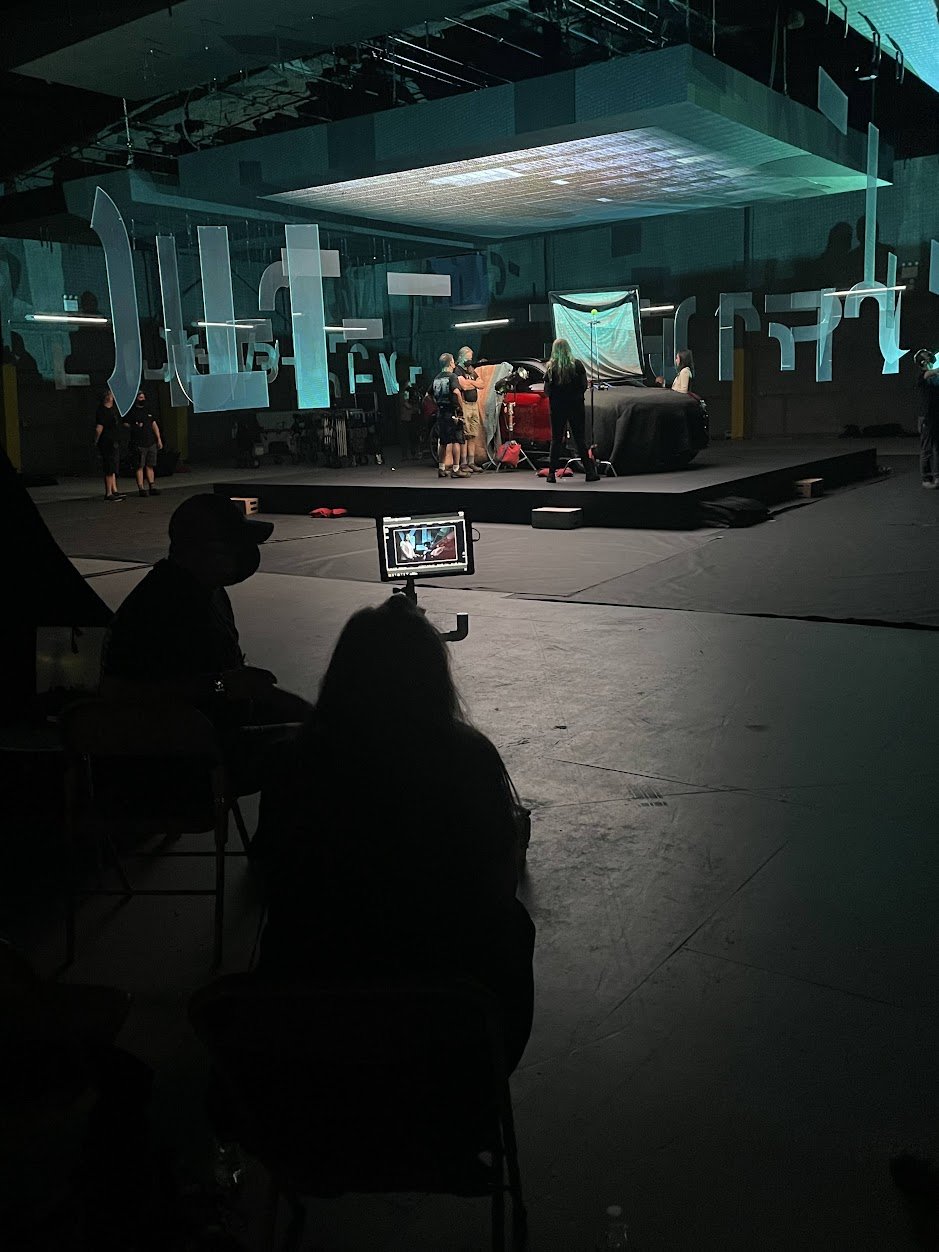
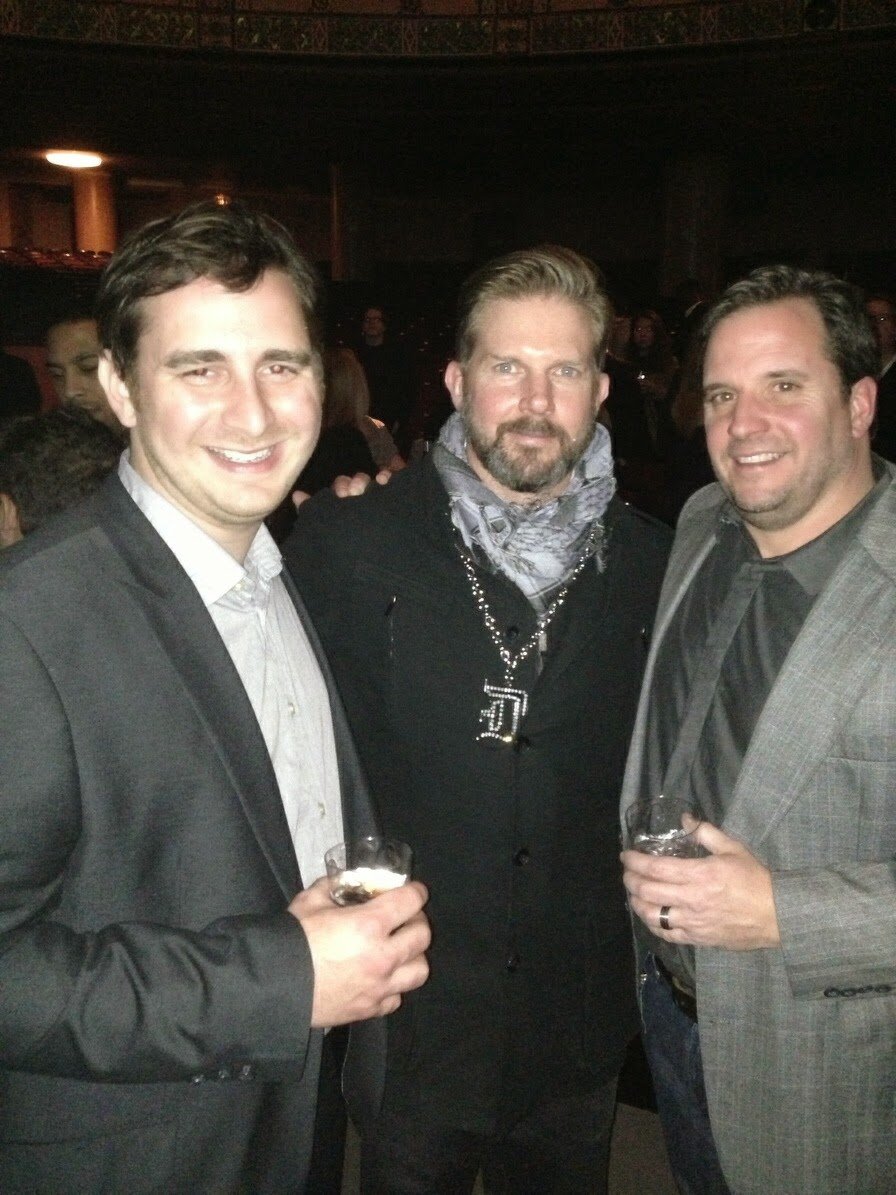
I believe the best work happens at the intersection of a sharp strategy and world-class craft. I’ve had the privilege of partnering with the industry's most iconic directors to bring these stories to life.
Rupert Sanders: (Snow White and the Huntsman, Ghost in the Shell) – Partnered on the
high-concept Chevy "Just Better" brand launch.Brian Buckley: (The "King of the Super Bowl") – Collaborated on the cinematic evolution
of the Find New Roads platform.Jim Jenkins: (O Positive) – Partnered on high-stakes, comedic, and narrative-driven s
torytelling for Chevy.Rachel McDonald: (Biscuit Filmworks) – Collaborated on the emotionally resonant
"Safe Place" narrative.Arnaud Uyttenhove: (Caviar) – Partnered on the iconic Chrysler / Bob Dylan Super
Bowl masterpiece.Ben Tricklebank: (Punk & Butler) – Collaborated on the high-art, practical set design
for the Chevy EV pre-launch.Zach Merck: (RSA Films) – Led the creative direction for the massive "Real People"
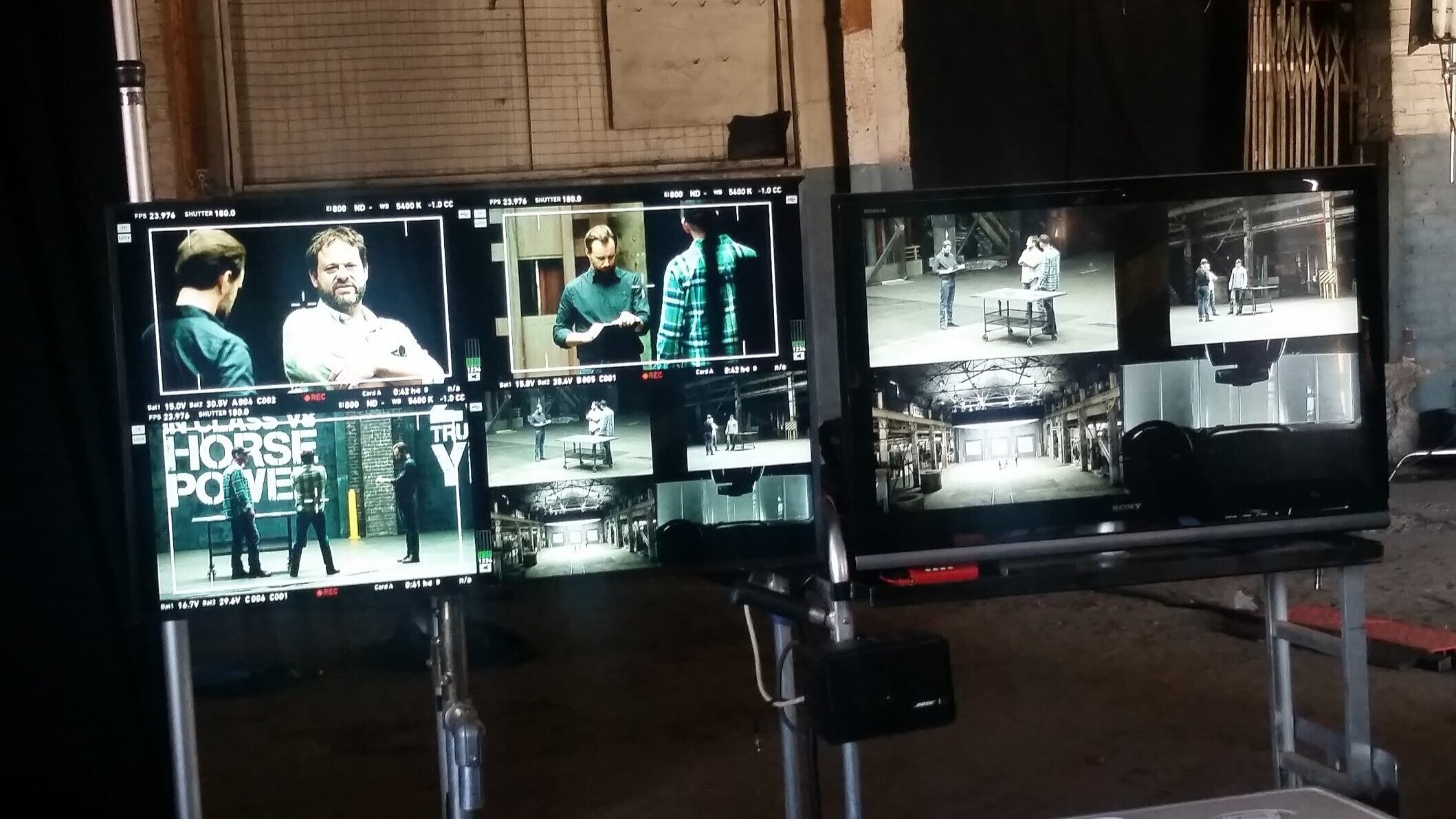
and "Steel vs. Aluminum" platforms.Lloyd Lee Choi: (Division7) – Partnered on the forward-looking "Future Flashes"
cinematic narrative.
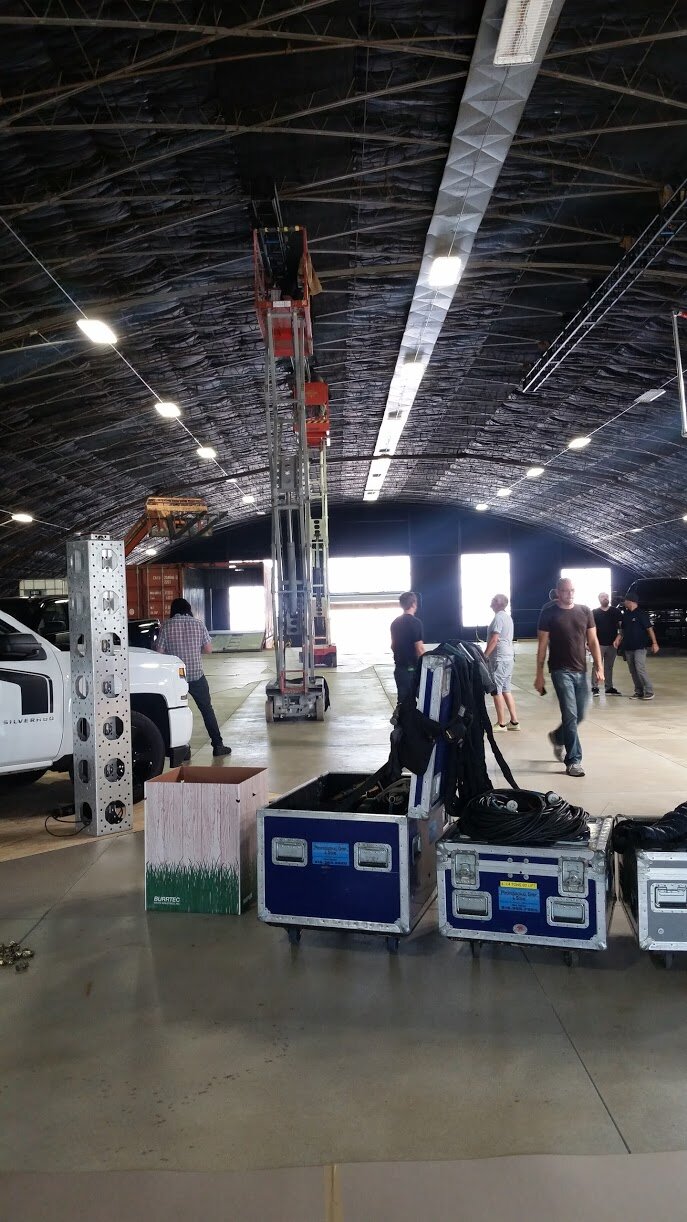
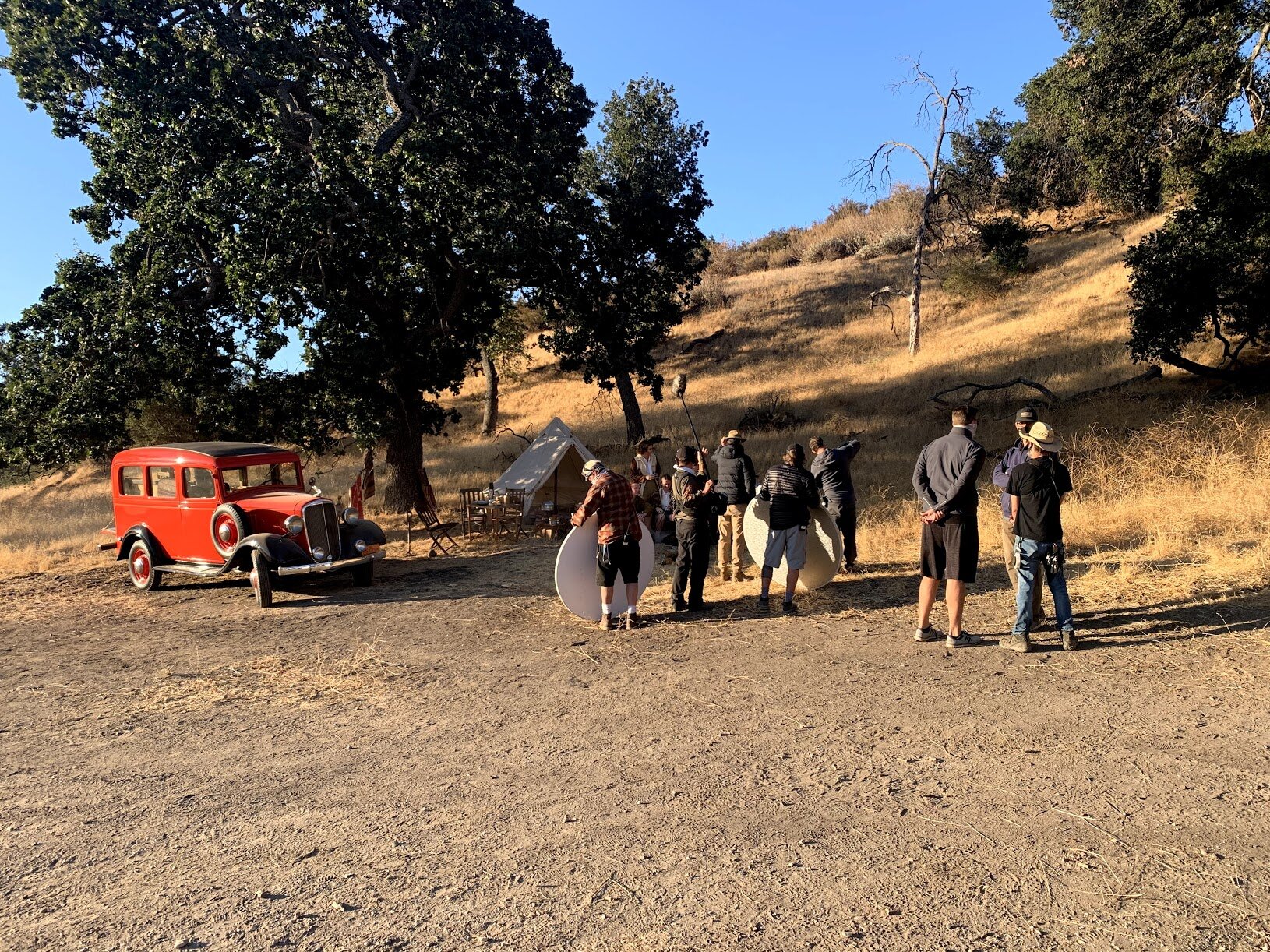
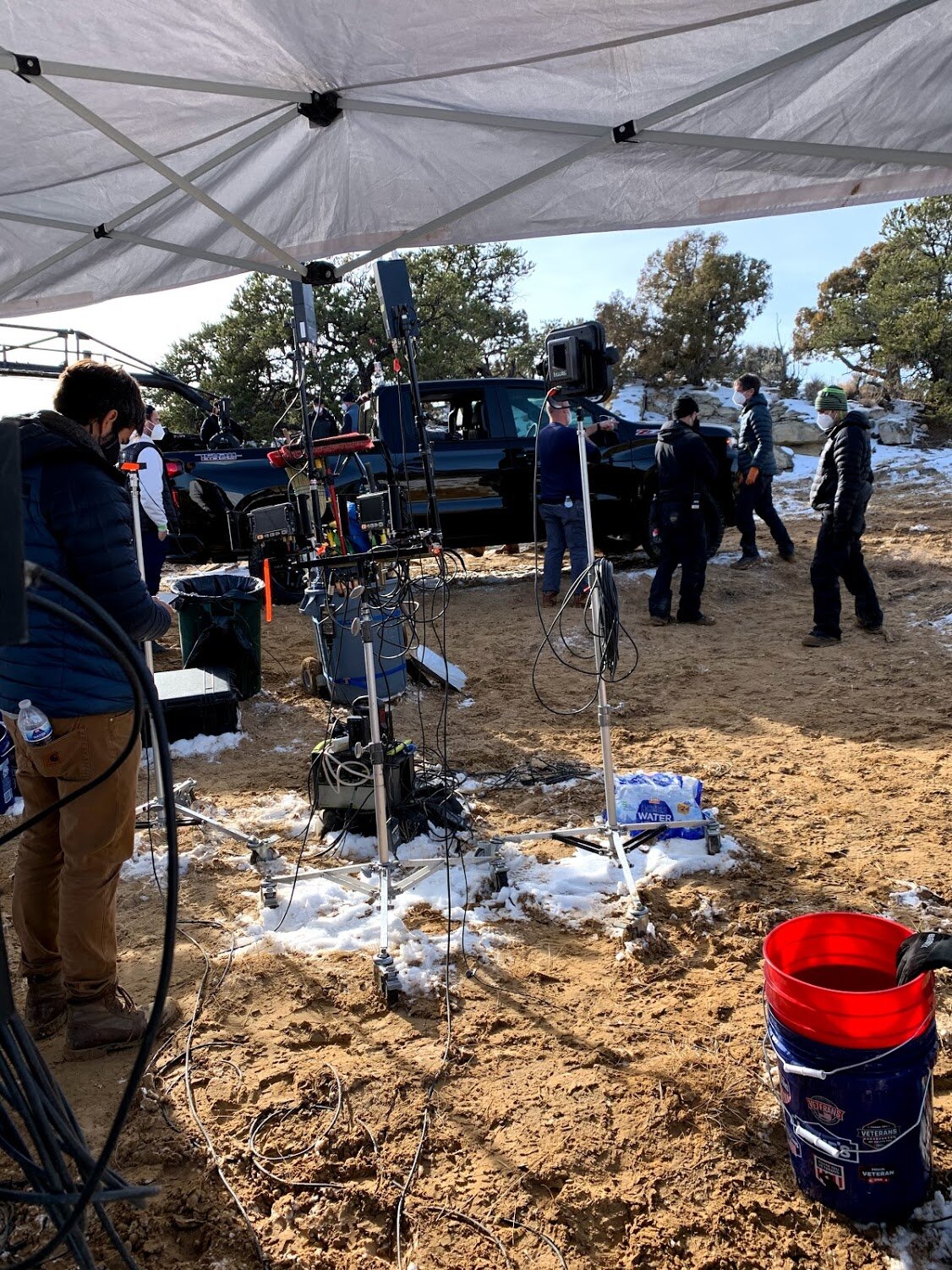
Hands on Production