VICTOR QUATTRIN
CREATIVE DIRECTOR | BRAND BUILDER | CULTURE DRIVER
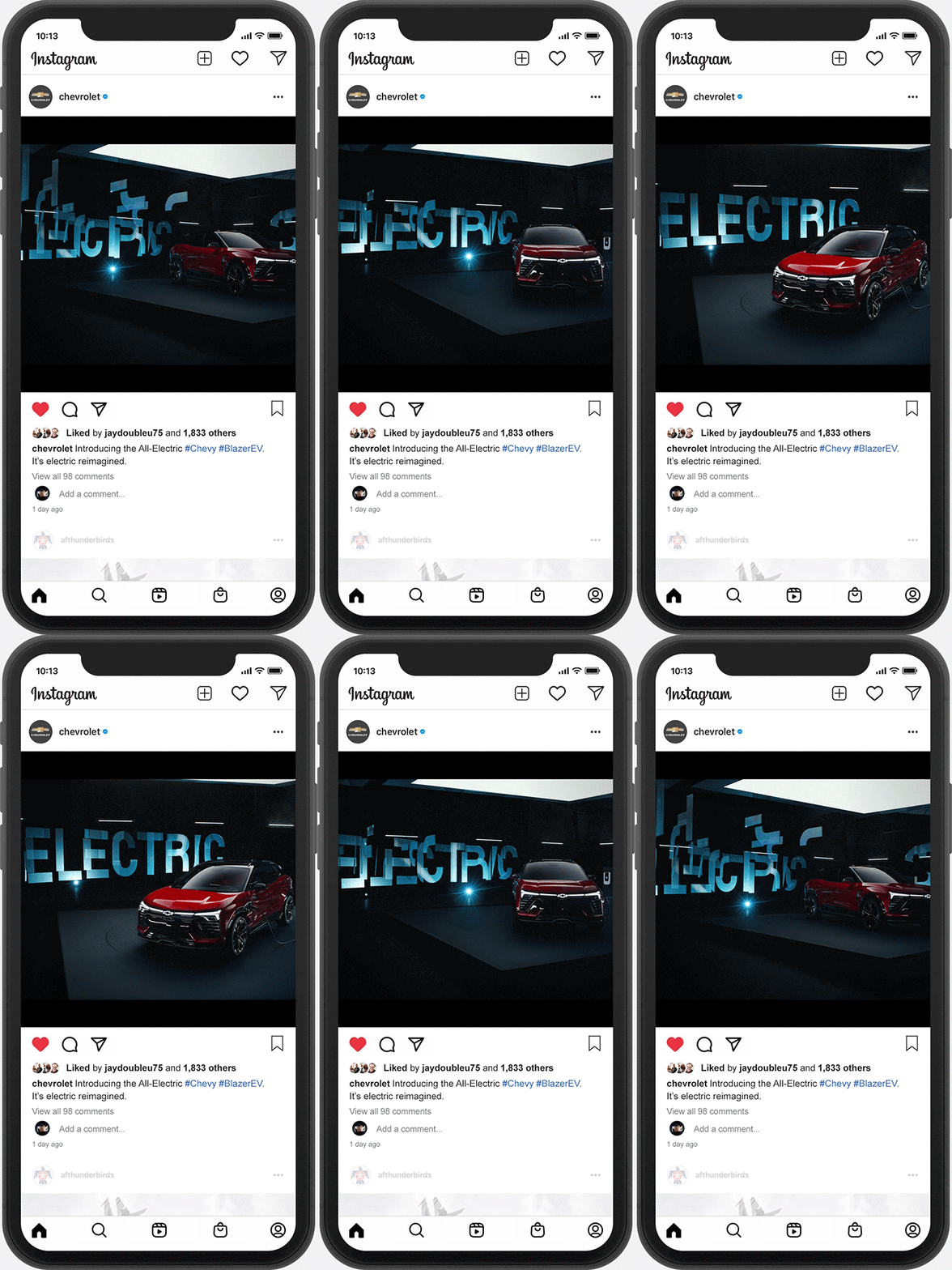
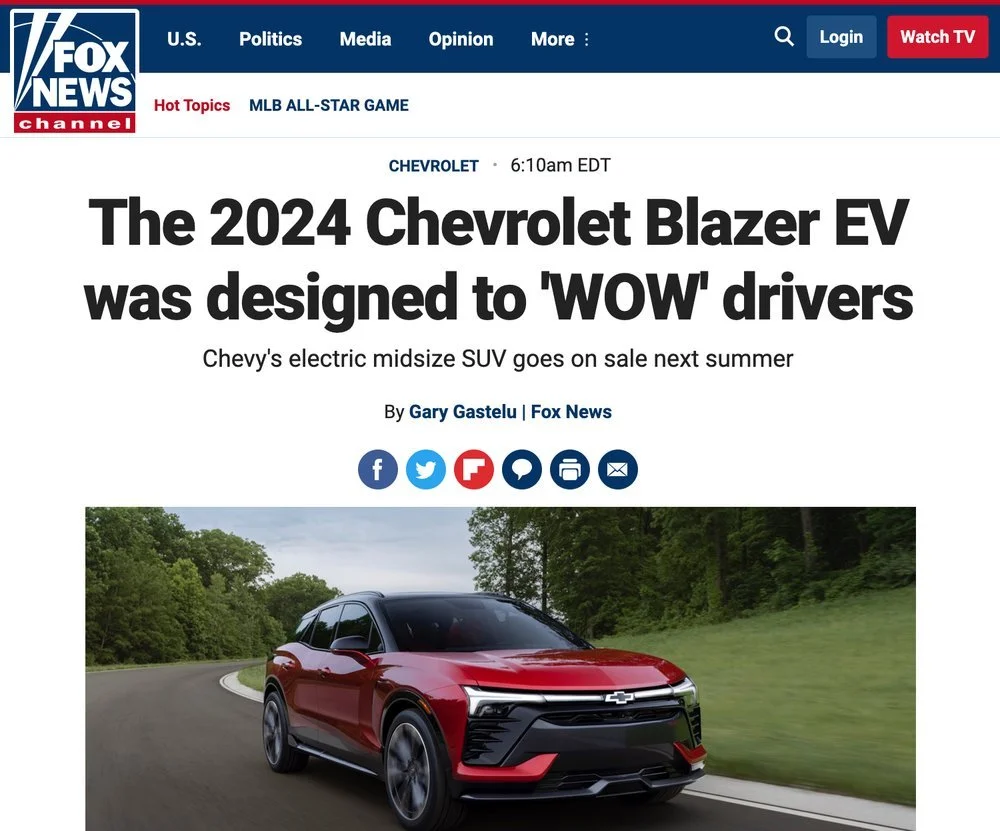
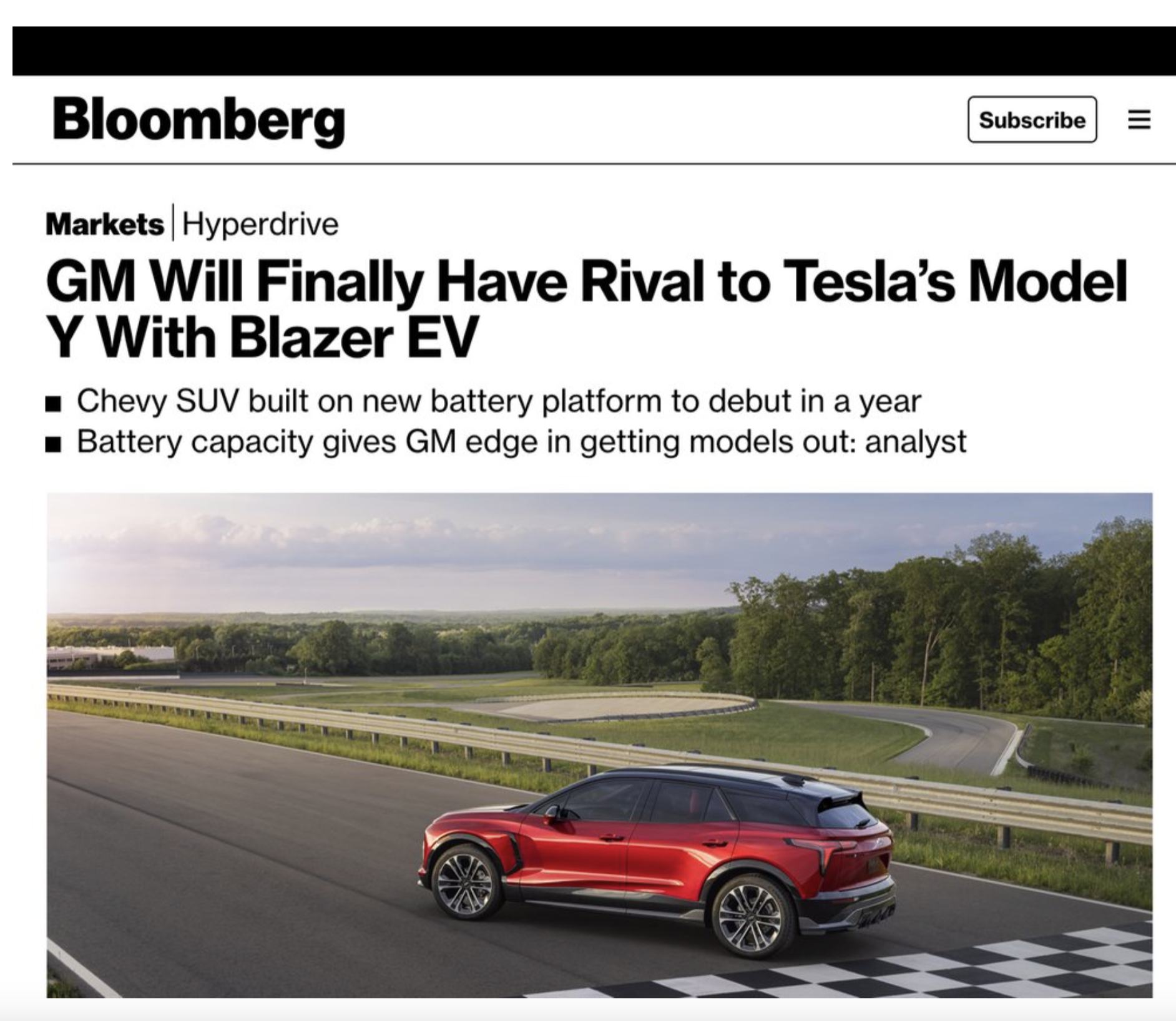
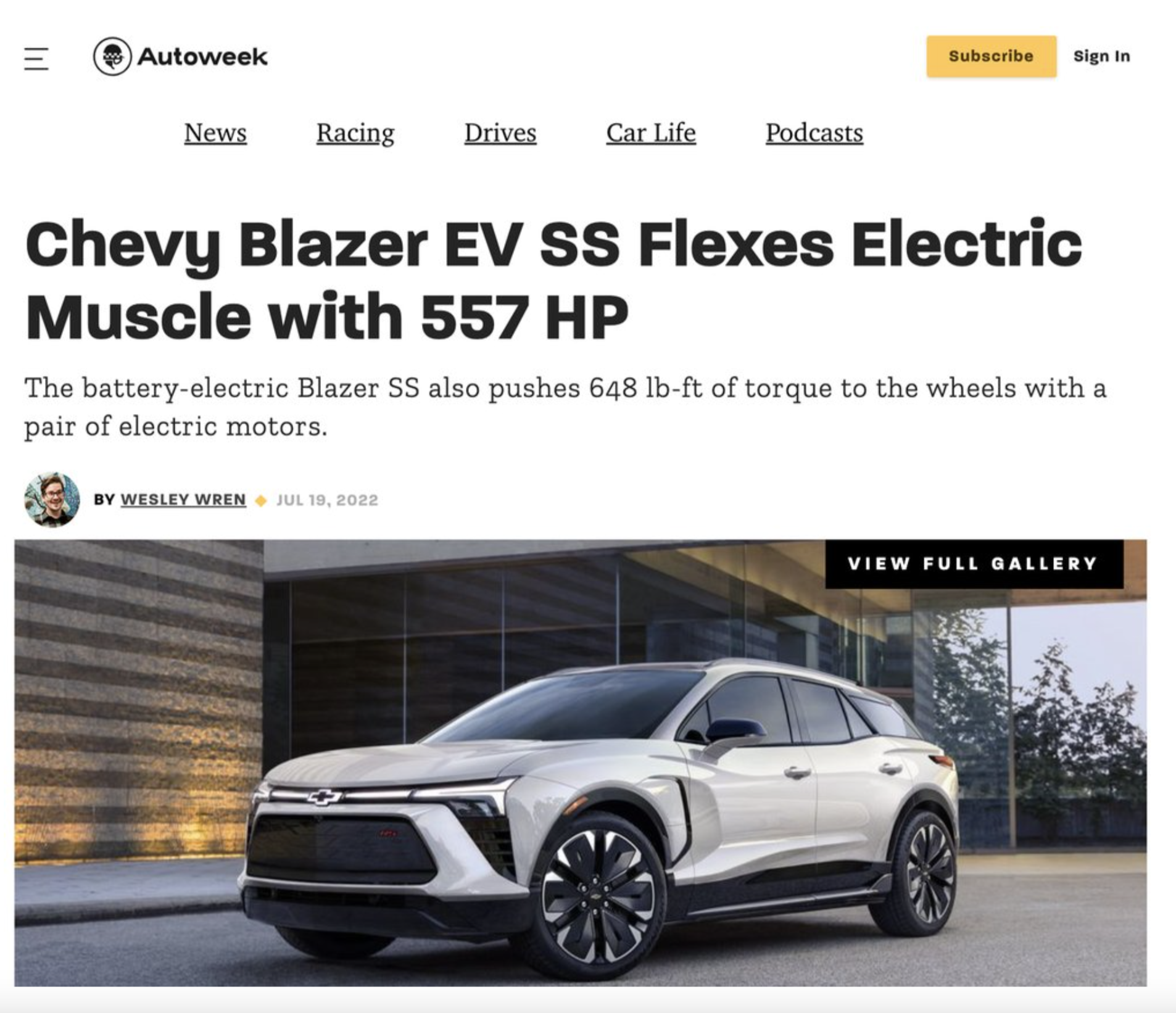
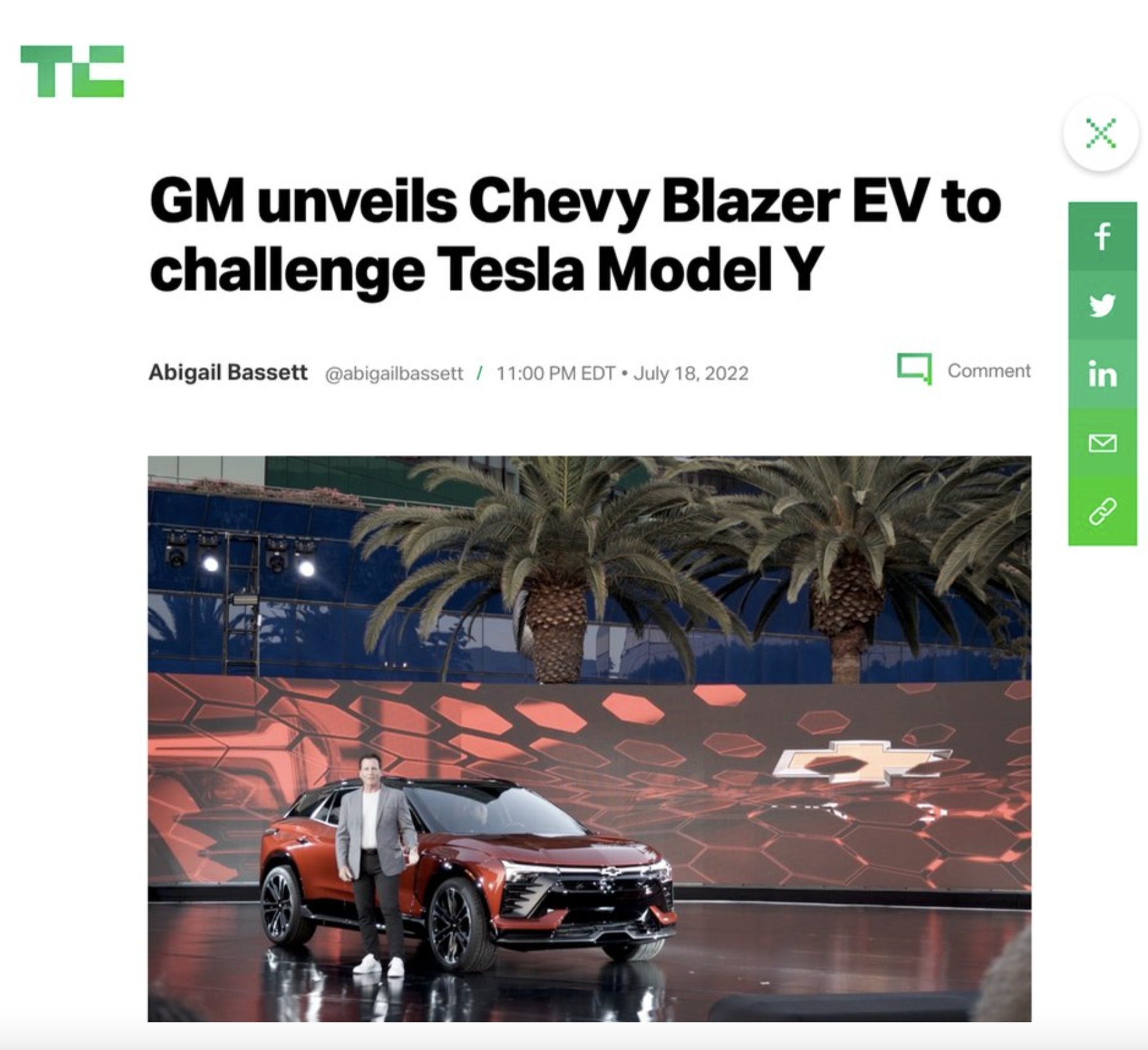
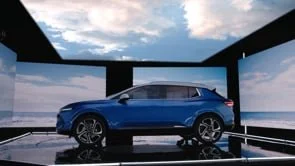
Every other EV launch looked like a screensaver. We built something real.
Look at the EV launch landscape in 2022 and you see the same visual language repeated endlessly: sleek CGI renders, neon light trails, cars floating through digital environments that don't exist, set to music that sounds like the future as imagined by a algorithm. Cold. Frictionless. Unconvincing.
The category had collectively decided that the way to sell an electric future was to make it look like science fiction. We decided the opposite.
The insight that drove everything: digital futures feel distant. Practical ones feel inevitable. If you want someone to believe in a vehicle they've never driven, the worst thing you can do is show them something that looks like it was made by a computer. The best thing you can do is show them something they could reach out and touch.
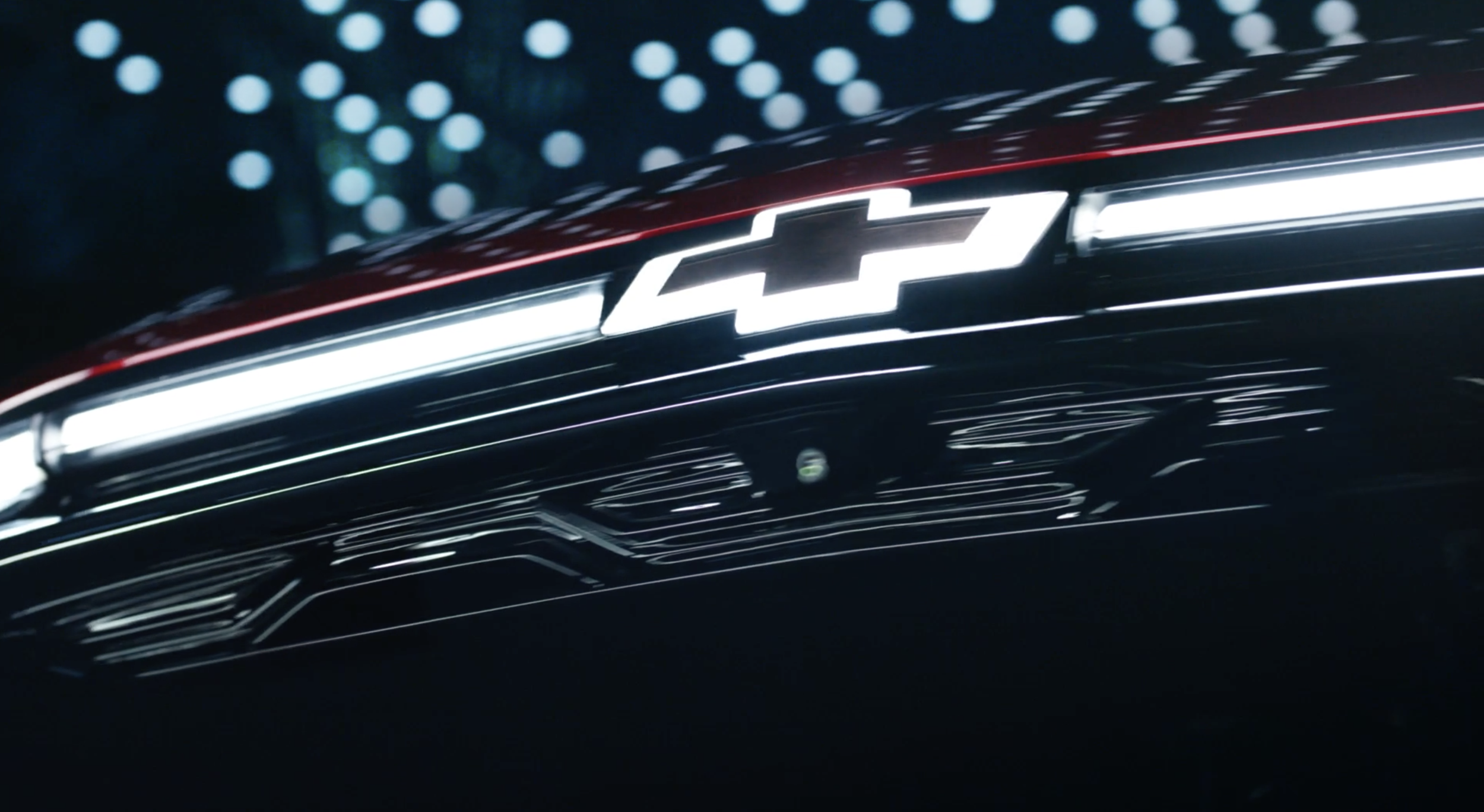
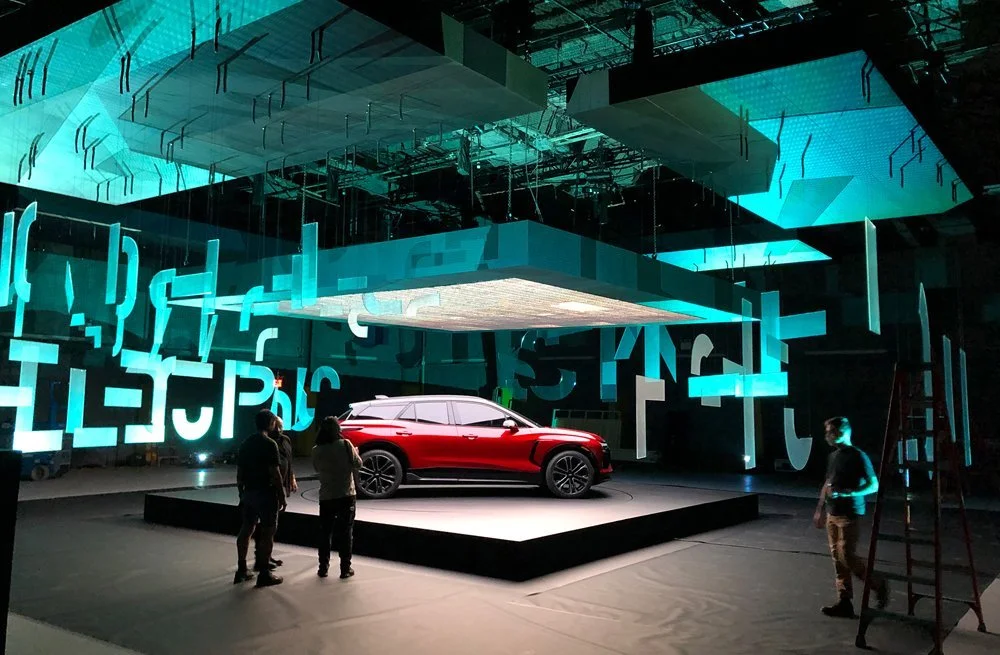
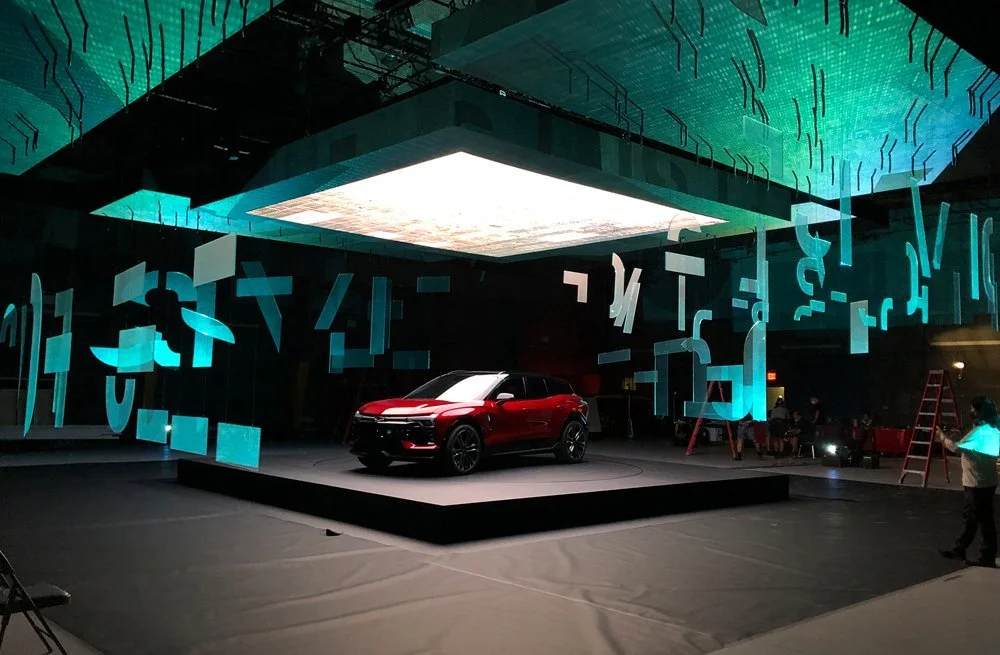
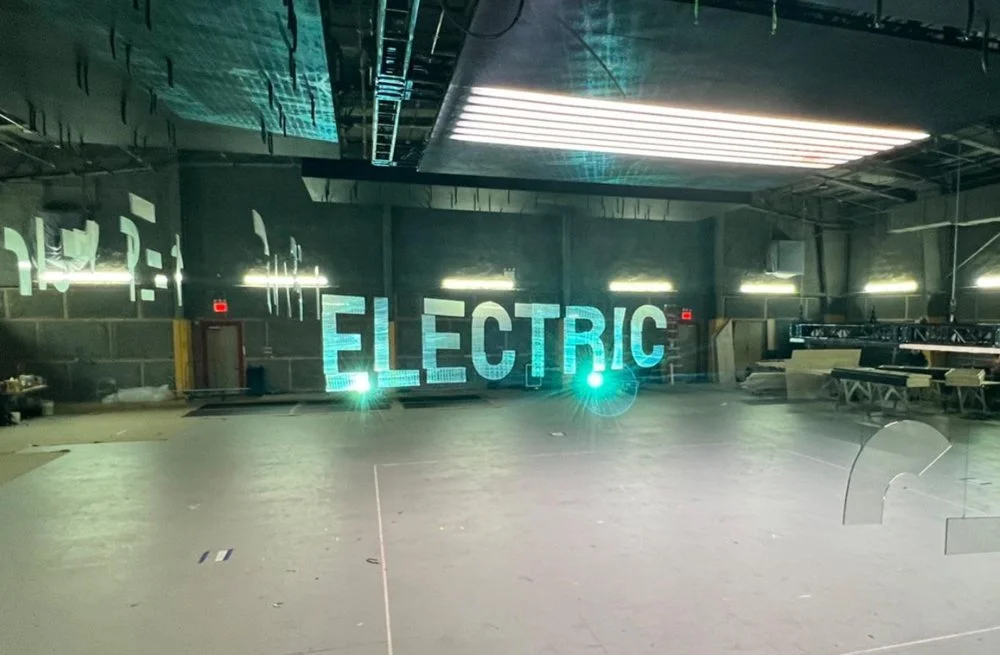
So we built things. Real things. Large-scale physical sculptures, geometric sets, modular environments constructed from actual materials designed specifically to showcase the Blazer EV's design language in a way that felt permanent and deliberate. Not a render. Not a composite. A car occupying a real space in the real world, photographed the way you'd photograph a work of art.
What we were fighting against.
This decision was a fight on every front simultaneously and that's worth being direct about, because the creative conviction only means something if you understand what it cost to hold it.
The client pressure was real. Every competitor was doing CGI. The category template existed for a reason digital production is faster, cheaper, more controllable, and carries essentially zero risk of something going wrong on a practical set. Asking a client to spend more money, take more time, and accept more production risk in order to do something that looked deliberately less polished than the competition requires a very specific kind of creative argument. Not "trust us." But "here's exactly why real lands differently than rendered, and here's what it will feel like when it does."
The internal pressure was equally real. Practical builds at this scale are genuinely hard. Sets need to be designed, engineered, and constructed. Physical environments need to be lit for a vehicle that has never been photographed at scale before. Every problem that CGI would solve invisibly becomes a real problem that needs a real solution on the day.
And the category pressure was perhaps the hardest to overcome because when everyone in your competitive set is doing the same thing, the instinct is to assume they're right. The EV visual language had calcified into CGI renders because that's what EV launches looked like. Breaking from that pattern required not just creative conviction but the ability to articulate clearly why the pattern was wrong.
We held the line on all three fronts.
Director Ben Tricklebank brought a visual intelligence to the practical sets that elevated them from production design to genuine art direction. His instinct for how light interacts with physical geometry — how shadow defines a surface, how a real material catches light differently than a rendered one — was exactly what the idea needed. The collaboration was less "director executes brief" and more "two people solving the same visual problem from different angles."
The sets themselves became part of the story. Behind-the-scenes content showing the builds resonated with design-conscious audiences and craft-watchers in a way that no CGI breakdown ever could because watching something real get made is inherently more compelling than watching something digital get rendered.
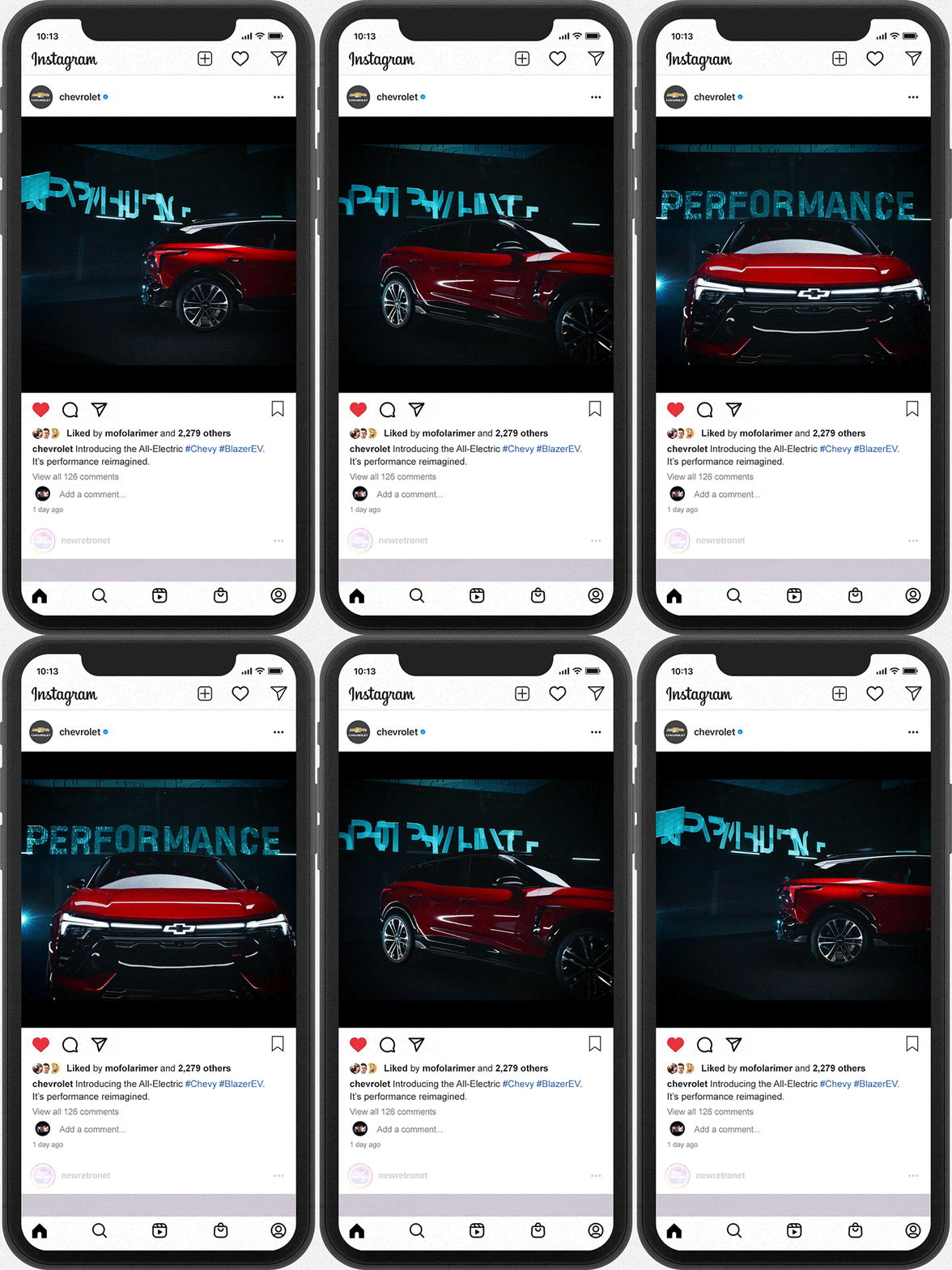
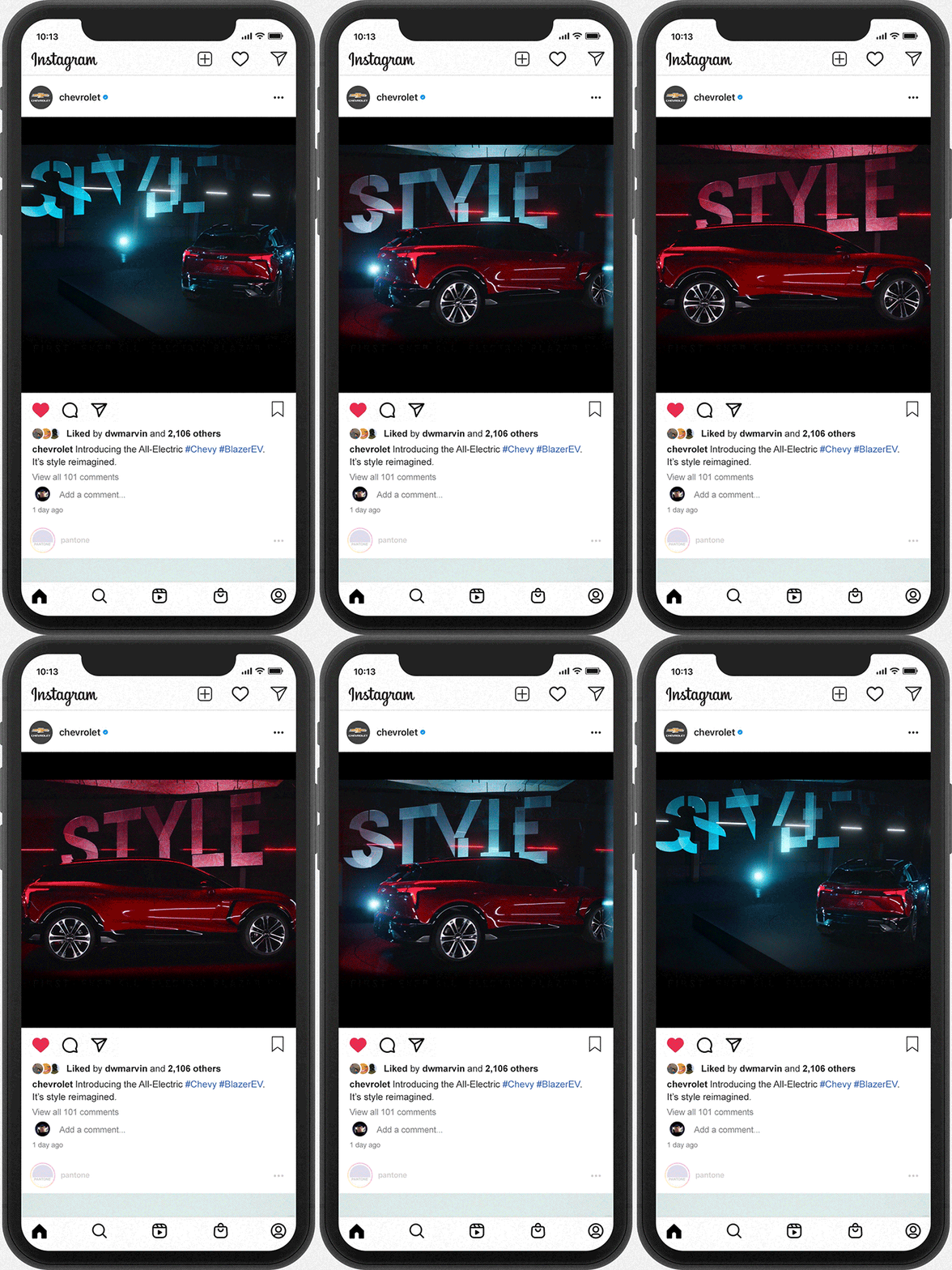
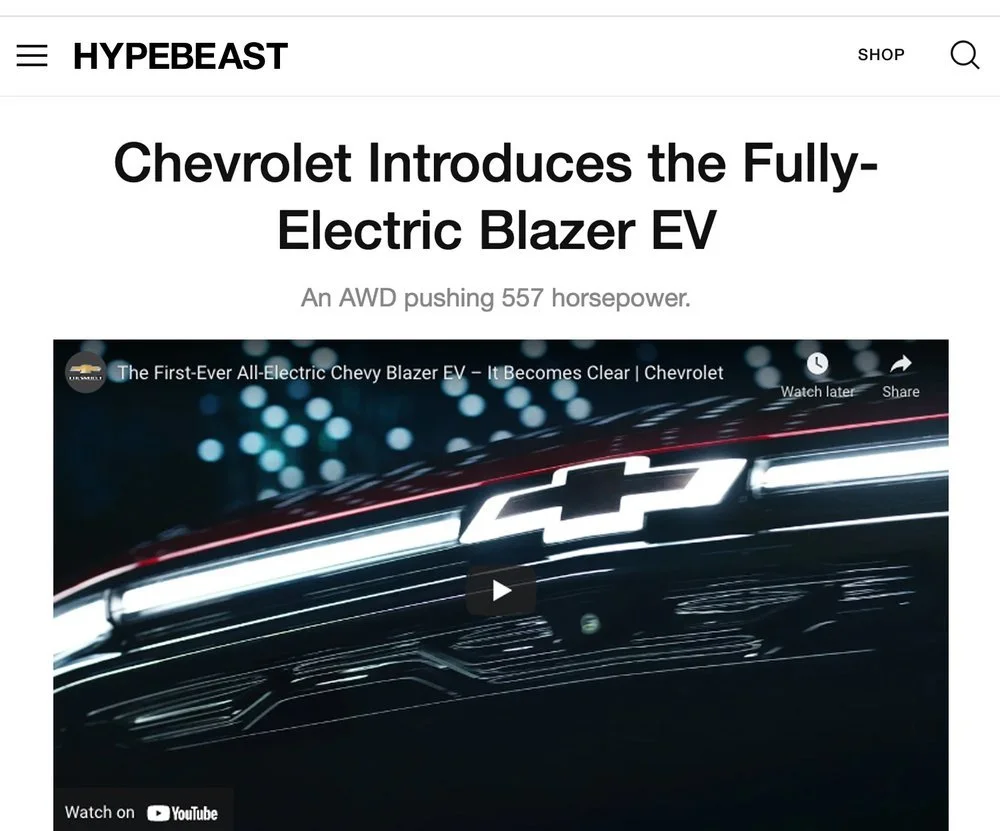
The result was a pre-launch campaign that positioned the Blazer EV as a premium, design-forward vehicle before a single spec had been announced purely through the visual conviction of how it was presented. The practical approach drove significant engagement across digital and social, and built the kind of anticipation that a glossy render rarely generates.
More importantly, it felt like Chevy. Not like a tech company. Not like a concept car. Like a vehicle built by people who believe that real things matter.
What this piece proves: There is a consistent creative philosophy running through my work from a real bear in a real truck bed to a life-size LEGO Batmobile to archival footage that refuses to be cleaned up to physical sets built instead of rendered. Real things land differently. That conviction costs something every time — in budget, in time, in organizational resistance. And it pays off every time for the same reason: audiences feel the difference between something made and something generated, even when they can't articulate why.
That philosophy doesn't change with the brief. It's just applied differently each time.
Honors and Awards: Engagement at scale across digital and social · Significant pre-launch awareness and consideration lift for Chevy EV lineup
Director: Ben Tricklebank / Punk & Butler