VICTOR QUATTRIN
CREATIVE DIRECTOR | BRAND BUILDER | CULTURE DRIVER


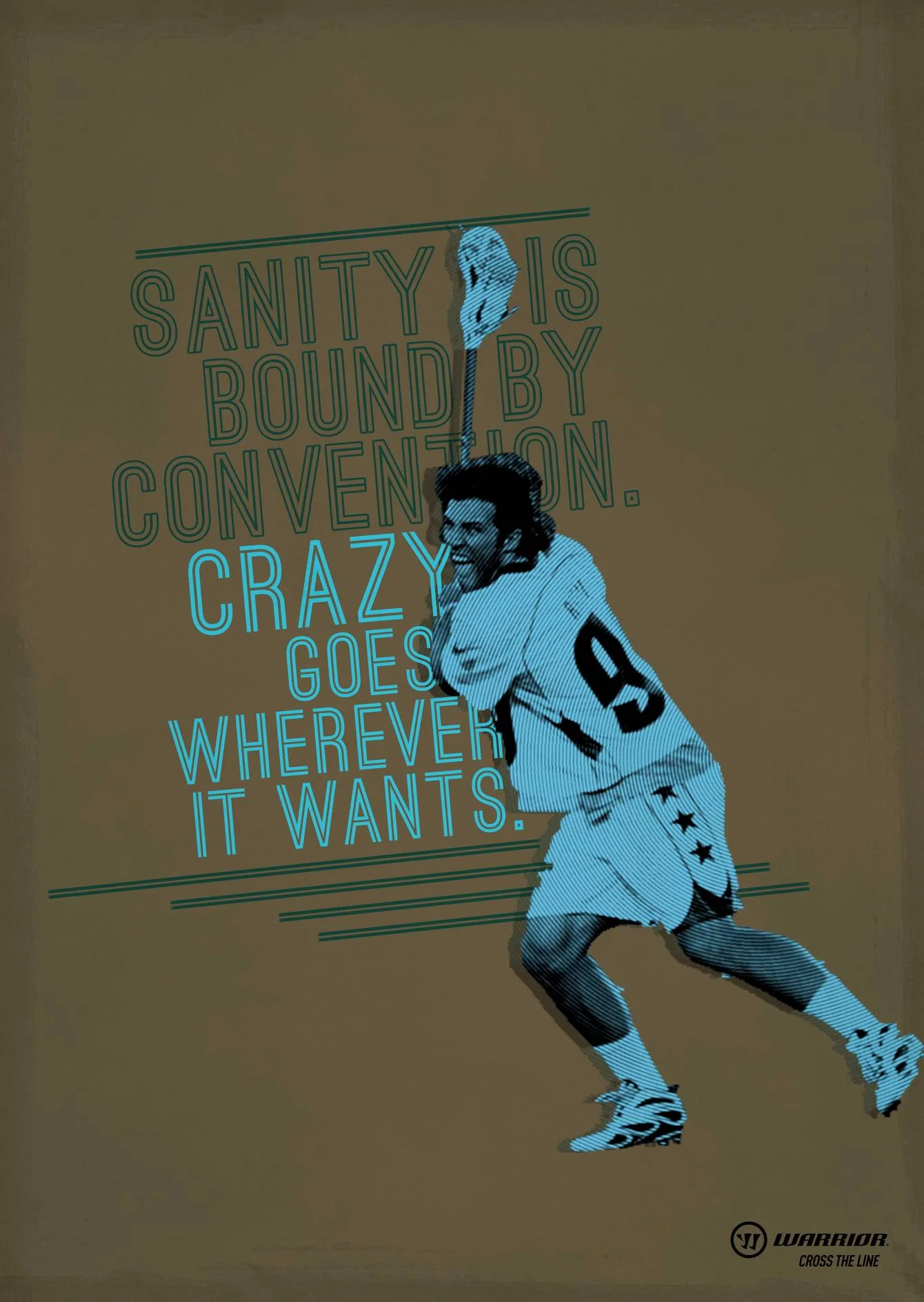


The best taglines aren't clever. They're true.
Warrior had an identity problem. Not an awareness problem athletes in lacrosse, hockey, and soccer knew the brand. The problem was that the edge that built Warrior's reputation had gone soft. The gear had kept up. The brand voice hadn't.
Warrior was never supposed to be the safe choice. It was the brand for the athlete who plays on the wrong side of the line who bends the rules, pushes the limits, does whatever it takes to win. The rebel on the field. The one the other team hates to play against and secretly wants to be.
That identity needed a voice again.
The insight was already in the sport.
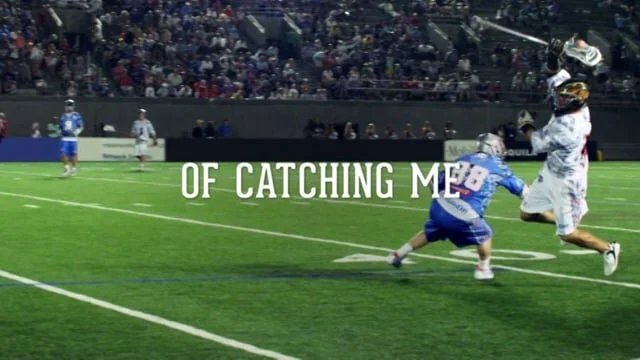
Every game Warrior touches has a line you have to cross to score. The crease in lacrosse. The goal line in hockey. The end line in soccer. Crossing the line isn't just a metaphor for this brand; it's the literal act of winning. And for Warrior's athlete, it's also a personality. They cross lines on the field and off it. They don't ask permission. They don't play it safe.
Cross The Line works because it operates on every level simultaneously as a competitive statement, as a brand attitude, and as a literal description of how you win the game. That's what makes a tagline last. Not cleverness. Not wordplay. The fact that it's simply, undeniably true about the brand and the people who wear it.
Fifteen years later, it still is.
What this piece proves: that brand platform thinking isn't about finding a catchy line it's about finding the one true thing a brand owns and giving it language precise enough to last. Most taglines are retired in two years. This one became part of the brand's DNA.