VICTOR QUATTRIN
CREATIVE DIRECTOR | BRAND BUILDER | CULTURE DRIVER
Built for the Camera
Most creatives live at one end of the spectrum. I work across all of it.
There are two kinds of creative problems. The kind that need to move in 48 hours a cultural moment, a crisis, a window that closes before the brief is even written. And the kind that need nine months a Super Bowl platform, a centennial campaign, a brand evolution that has to hold together across five directors, four formats, and a hundred individual executions.
Most creative leaders are built for one or the other. Fast and instinctive, or slow and architectural. I've spent 18 years being both sometimes on the same account in the same quarter.
That range is what this piece is about.
The scrappy end: concepting at speed
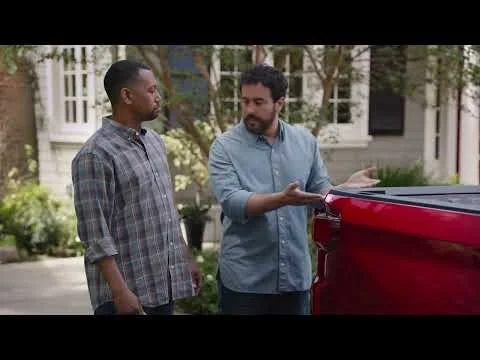
The #technologyandstuff campaign went from cultural moment to deployed creative in under 48 hours. No pre-production. No director. No safety net. Just a team that had been trained to move fast without losing creative judgment and a leader who could make the call in the room and back it with conviction when the client needed to be sold on boldness in real time.
That kind of work requires a different creative muscle. It's not about the perfect idea. It's about the best idea available right now, executed with enough craft to hold up, and sold with enough clarity that everyone moves in the same direction immediately.
I love that work. The constraint is the creative.
The large scale end: directing across a system
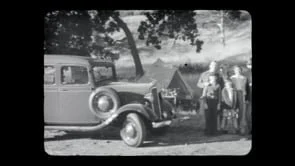
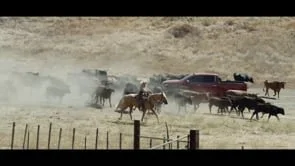
On the other end: building a 90-day production system with Rupert Sanders — director of Snow White and the Huntsman and Ghost in the Shell — designed to capture a modular asset library that could sustain a consistent high-craft visual language across TV, social, and digital simultaneously.
That's a completely different problem. The challenge isn't speed it's coherence. How do you maintain one brand voice across five world-class directors, each with their own aesthetic, their own instincts, and their own very specific ideas about how a shot should feel?
The answer is creative leadership that's present at every stage not just in the concept room, but in the casting session, the location scout, the grade, the mix, and the final cut. You can't set a visual direction in a brief and then show up at the premiere and hope it held together. You have to be the through line.
The directors — and what each one brought
Working with directors at this level isn't a credential. It's a creative relationship — and managing those relationships while protecting the brand vision is one of the least-discussed and most important skills an ECD needs.
Rupert Sanders brings a cinematic scale and visual architecture that makes a brand feel like a world, not a commercial. The challenge with Rupert is staying in the frame creatively — his instincts are strong and his vision is specific. The job is knowing when to let him run and when to pull back to the brand.
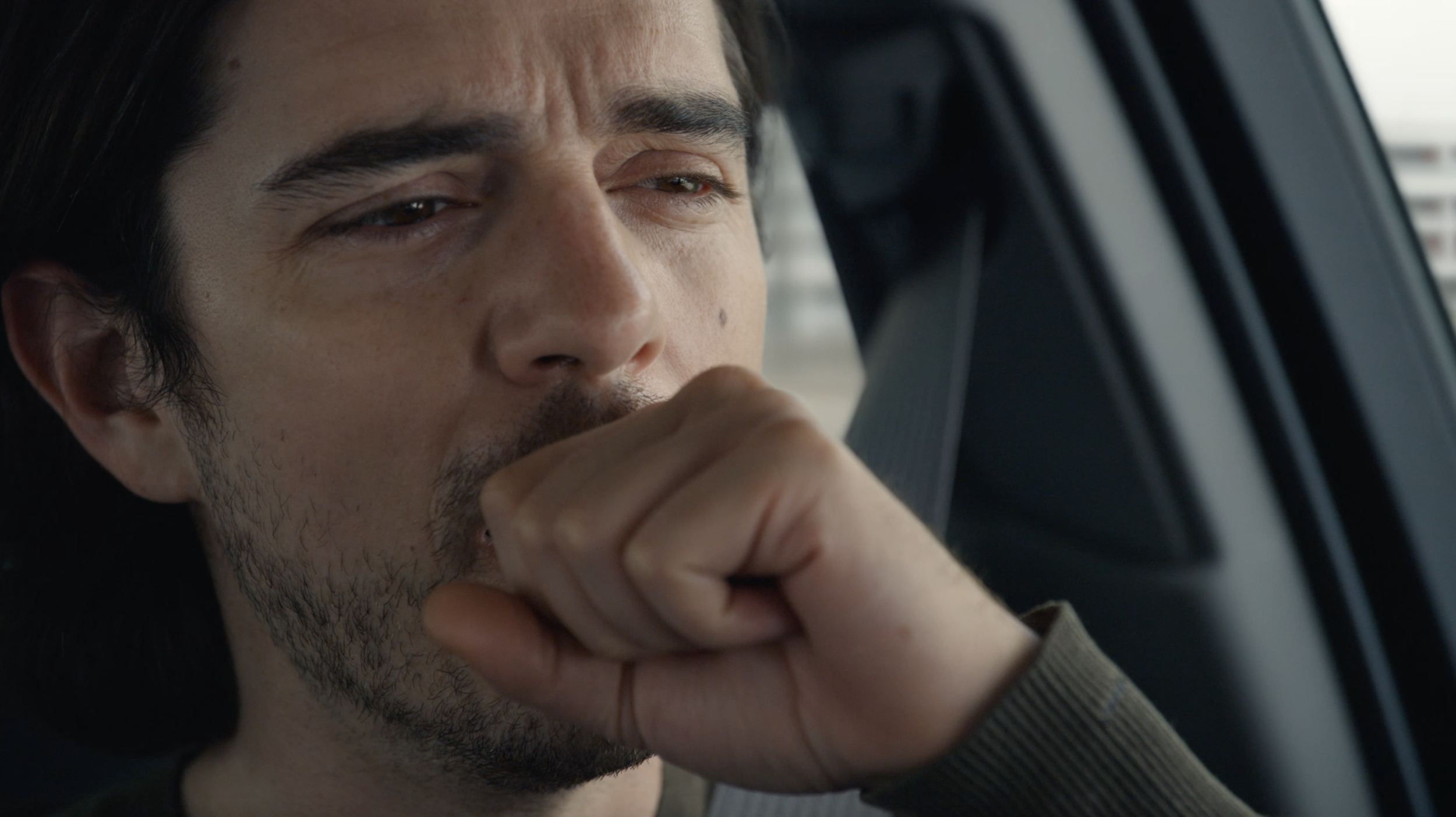
Brian Buckley is the best finder of human soul in a mundane moment working today. "Mom, Video Game" works because Buckley finds the thing underneath the thing — the unspoken emotional stakes inside a scene that looks ordinary on the surface. Your job as the creative director in that room is to create the conditions for that to happen and then not get in the way of it.
Jim Jenkins is a comedy director who makes it look effortless — which means the work is actually extremely precise. Comedy at the brand level lives or dies in the edit, and Jenkins understands that better than almost anyone. Working with him requires a specific kind of creative confidence: you have to trust the instinct, not over-direct, and know when the funny thing in the room is better than the funny thing in the script.
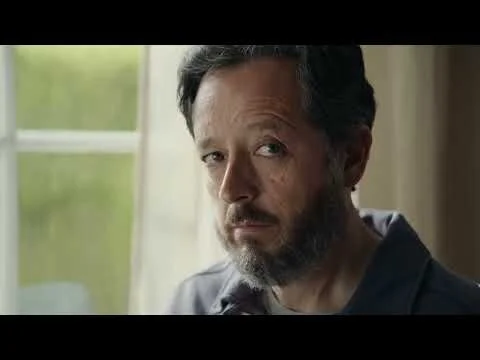
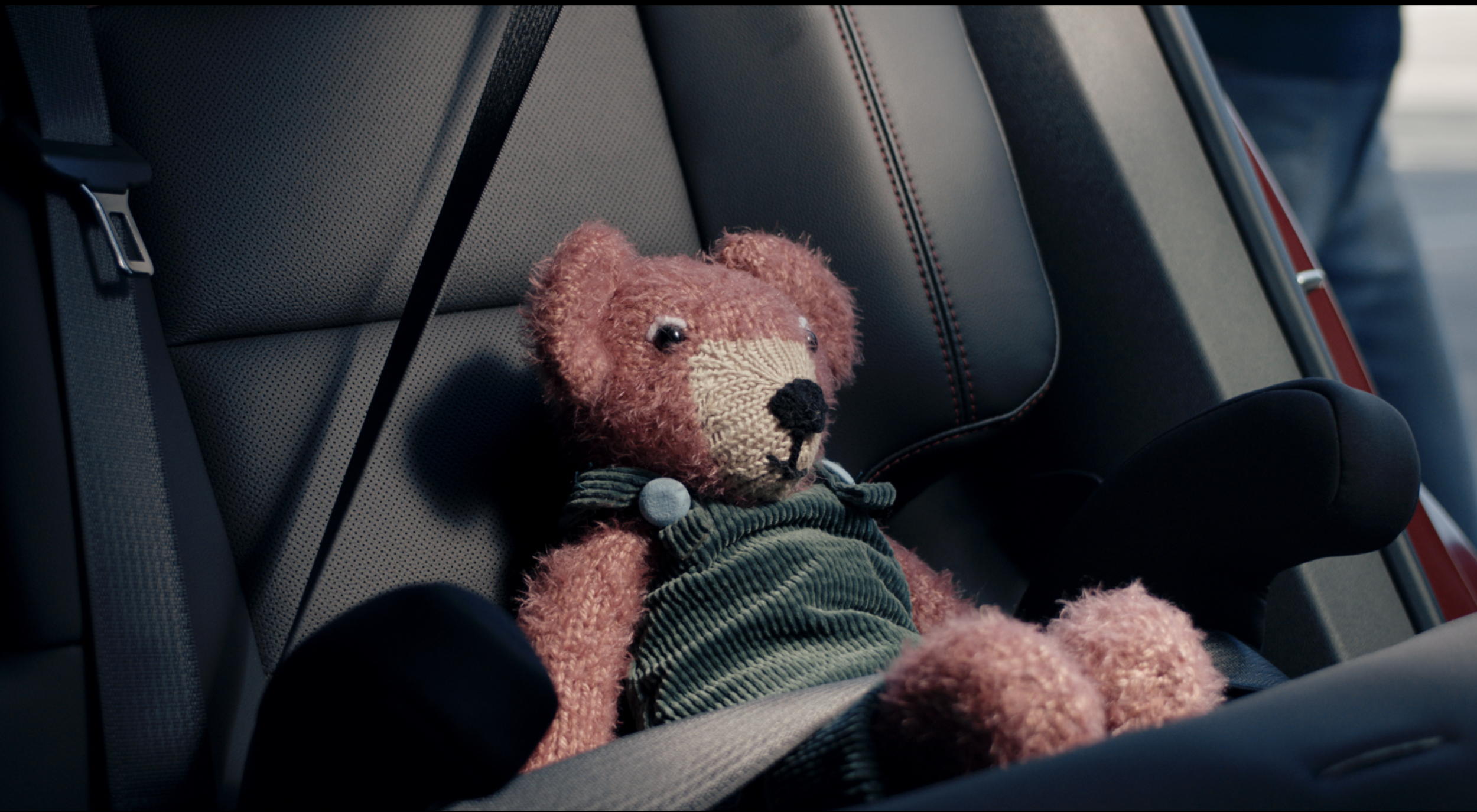
Rachel McDonald brought a visual poetry to "Safe Place" that reframed what safety means as a brand idea — not a feature, not a spec, but a feeling. That kind of emotional precision requires a director who thinks in images before words, and a creative leader who can brief that direction without over-explaining it into something literal.
Lloyd Lee Choi is a forward-thinker — his work on "Future Flashes" bridged the brand's heritage with its tech-driven future in a way that felt earned rather than aspirational. The creative challenge there was holding the tension between where Chevy had been and where it was going without letting either side collapse into the other.
Five different directors. Five different creative temperatures. One brand voice across all of it. That's the production leadership challenge — and it's one I'd put against anything in the industry.
The craft: beauty, comedy, music, and the final mix
What gets lost in the case study format is how much of the final work lives in the finishing. A beauty film lives or dies in the grade. A comedy piece lives or dies in the edit timing is everything, and one frame in the wrong direction kills a joke that worked perfectly on set. A brand platform lives or dies in the music whether you're clearing a track, briefing a composer, or mixing a final sound design, those decisions shape how the audience feels about the work before they've consciously processed a single frame.
I've been in those rooms for all of it. Not as an observer as the creative decision-maker who knows what the work needs to sound like, look like, and feel like before the final output exists. That's the difference between a creative director who leads the concept and an executive creative director who leads the work all the way through.
The concept is the beginning. The mix is the last creative decision. Everything in between is leadership.
What this piece proves: that I can operate at every point on the creative spectrum — from a war room where the brief is written in real time to a sound stage where the margin for error is measured in frames. The range isn't accidental. It's built. And it's available on every brief.