VICTOR QUATTRIN
CREATIVE DIRECTOR | BRAND BUILDER | CULTURE DRIVER
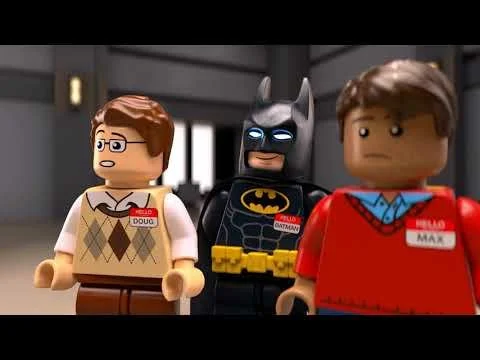



The Batmobile has always been a Chevy. We just reminded everyone.
Most people don't know this. The 1966 Batmobile the one that defined the icon for a generation was built on a Lincoln Futura chassis with Chevrolet components. Later interpretations carried Chevy engines and parts too. Batman and Chevrolet have a longer history together than almost anyone in the briefing room realized.
That historical truth became the entire foundation of the campaign. This wasn't a brand slapping its logo onto a movie partnership and hoping the cultural heat transferred. This was a legitimate creative argument: Chevy doesn't just sponsor Batman. Chevy powers Batman. Has for decades.
Once you have that insight, everything else gets easier and everything gets held to a higher standard because the idea is actually worth protecting.
The hardest part: making it feel like LEGO Batman, not like a car commercial.
Three IP holders. Three sets of brand standards. Three organizations with legitimate authority to change the work.
LEGO's visual logic is precise and proprietary the humor, the construction aesthetic, the specific way the LEGO Batman character speaks and moves. Warner Bros. was managing a global promotional machine around a major theatrical release with dozens of brand partners all competing for the same creative real estate. And Chevrolet needed its vehicles to show up as desirable, premium products not as props in someone else's movie.
Getting all three to feel like one seamless creative universe required constant advocacy and an almost obsessive attention to tonal consistency. Every frame, every line of copy, every social asset had to pass what we internally called the "LEGO-logic" test did it feel like something that actually existed inside that world, or did it feel like an ad that wandered in from outside it?
The answer had to always be the former. When it wasn't, we went back.
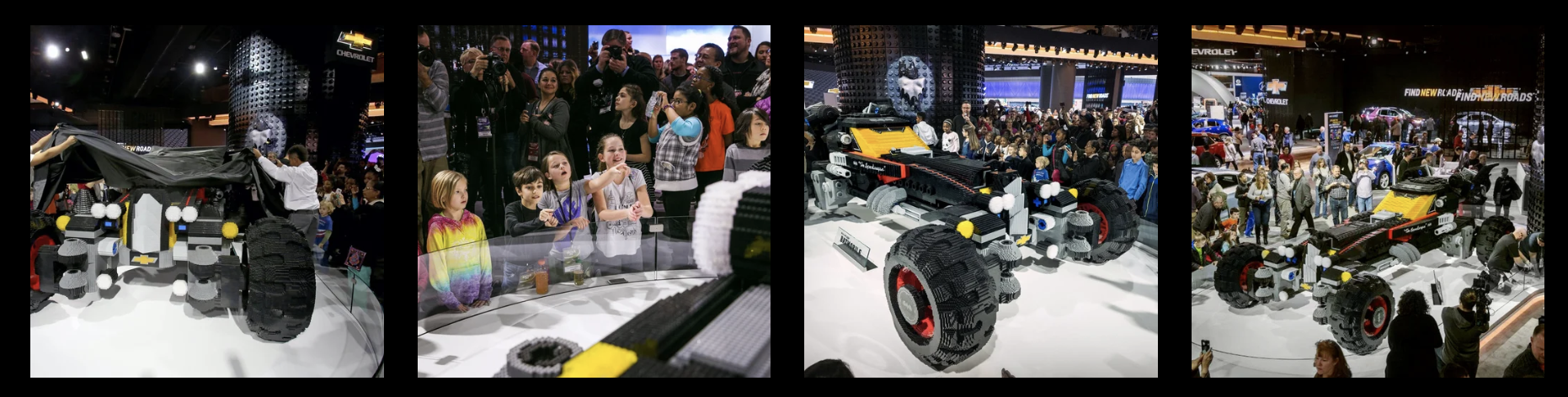
Then we built the Batmobile. For real.
A 1:1 scale LEGO Batmobile. Not a render. Not a prop. A full-size physical build that toured multiple locations giving audiences the chance to stand next to it, photograph it, experience it as an object in the real world rather than a digital asset on a screen.
That decision to build it physically rather than digitally is the same instinct behind the Steel vs. Aluminum bear. Real things land differently. A life-size LEGO Batmobile you can stand next to creates a memory. A CGI version in a video gets scrolled past.
The touring activation extended the campaign's footprint far beyond any single media buy — turning the Batmobile itself into a traveling piece of branded culture that kept generating attention everywhere it went.
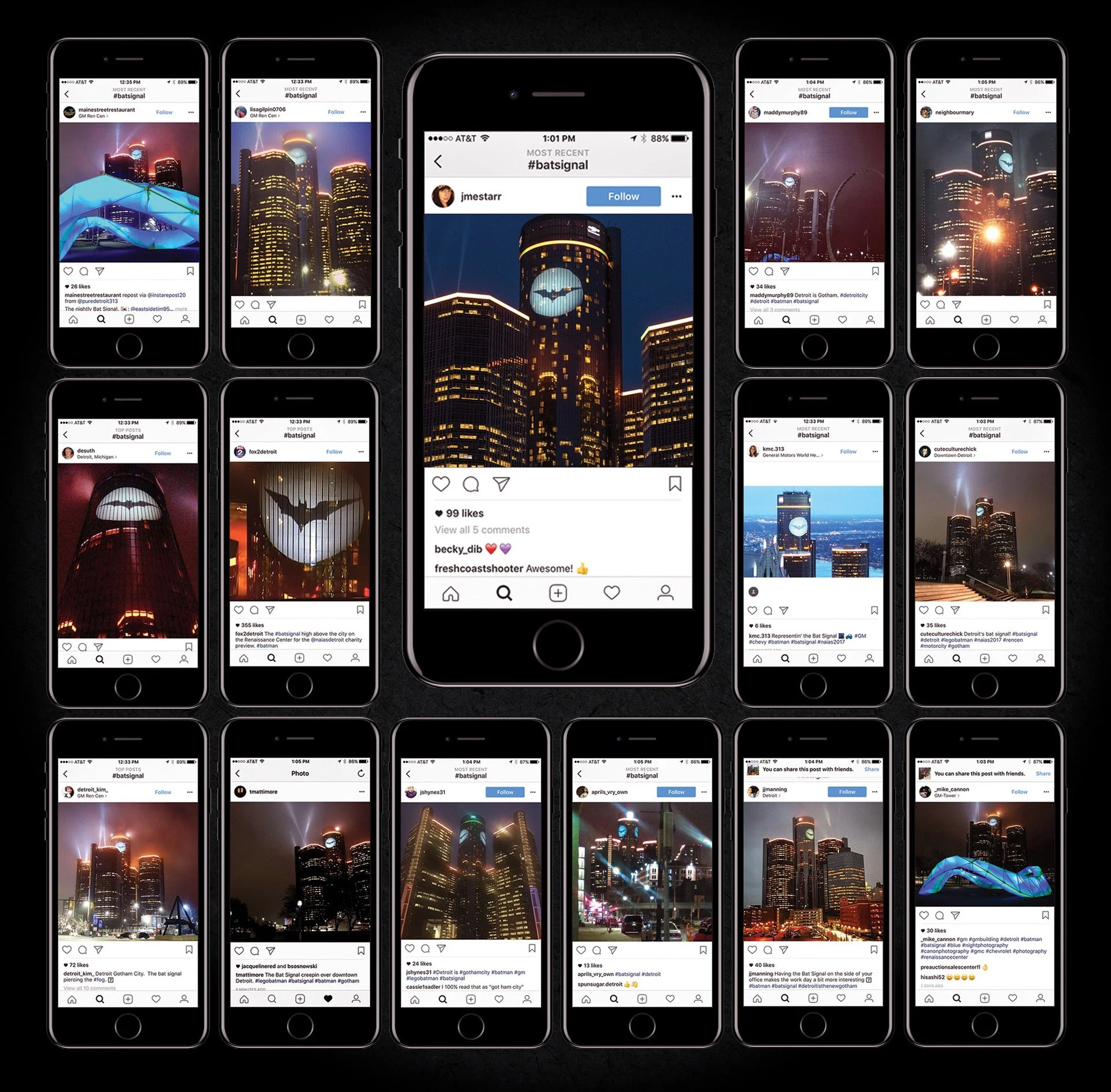
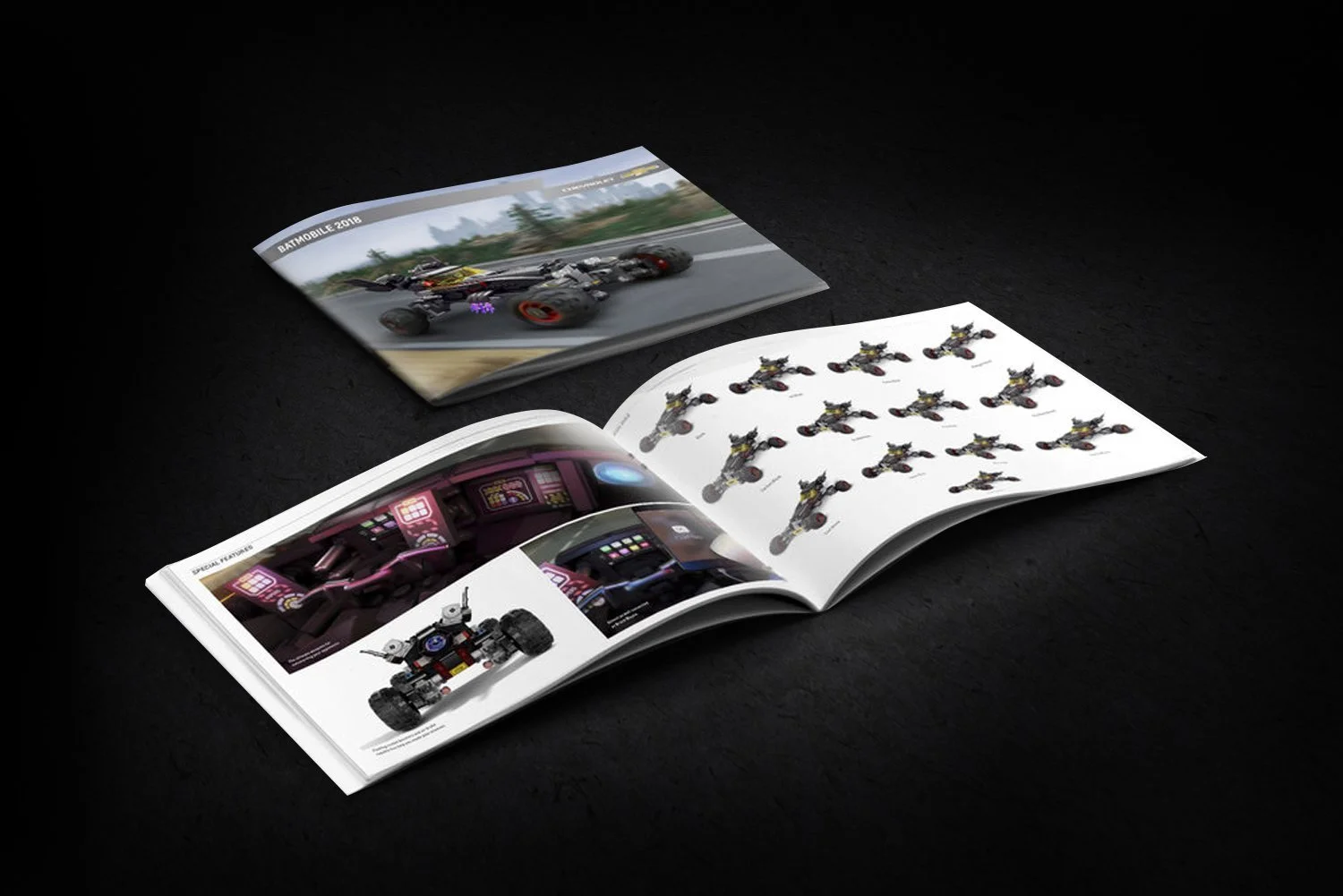
The result: a multi-channel campaign across film, digital, social, print, outdoor, and experiential that felt genuinely native to the LEGO Batman universe at every touchpoint. Epica Gold for Product Integration which is the award that specifically recognizes when a brand partnership feels like it belongs rather than intrudes.
And a $300M+ global box office launch that Chevy was authentically part of — not just adjacently sponsoring.
What this piece proves: that I can operate inside some of the most complex creative and organizational constraints in the industry multiple IP holders, global launch timelines, competing brand standards and still deliver work that feels like it came from a single, coherent creative vision.
Honors and Awards Epica Gold / Product Integration · Cresta Silver / Promotions · One Show Merit / Print & Outdoor, Installations, Brand Entertainment · Cannes Lions Shortlist ×4 · New York Festivals Finalist ×4 · AICP Shortlist ×4 · AICE Best Visual Effects & Animation · Creativity Ad of the Day / Editor's Pick