VICTOR QUATTRIN
CREATIVE DIRECTOR | BRAND BUILDER | CULTURE DRIVER
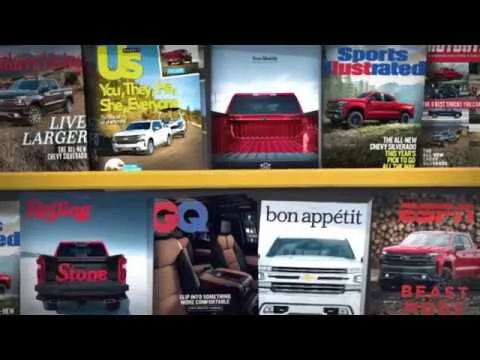
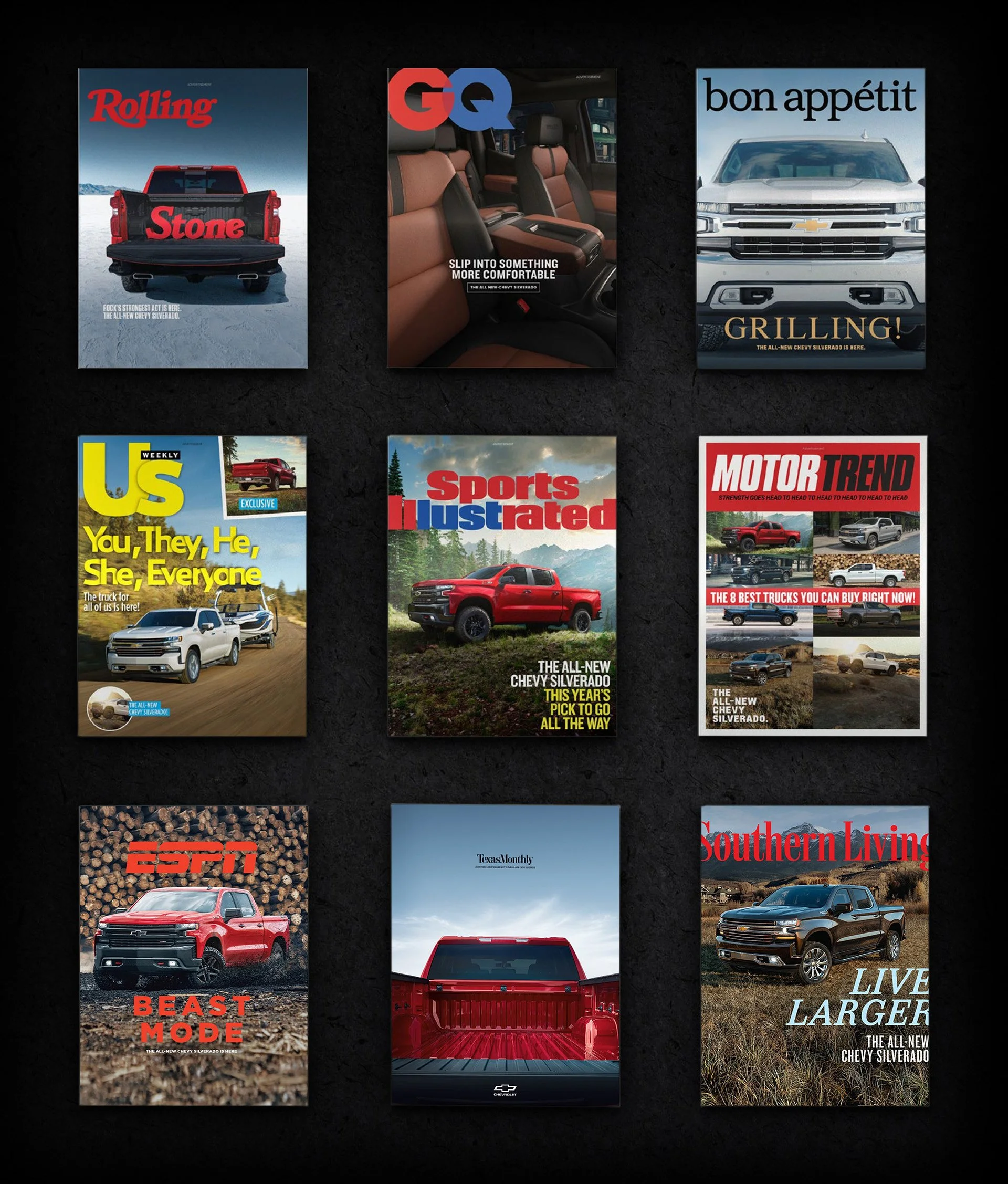


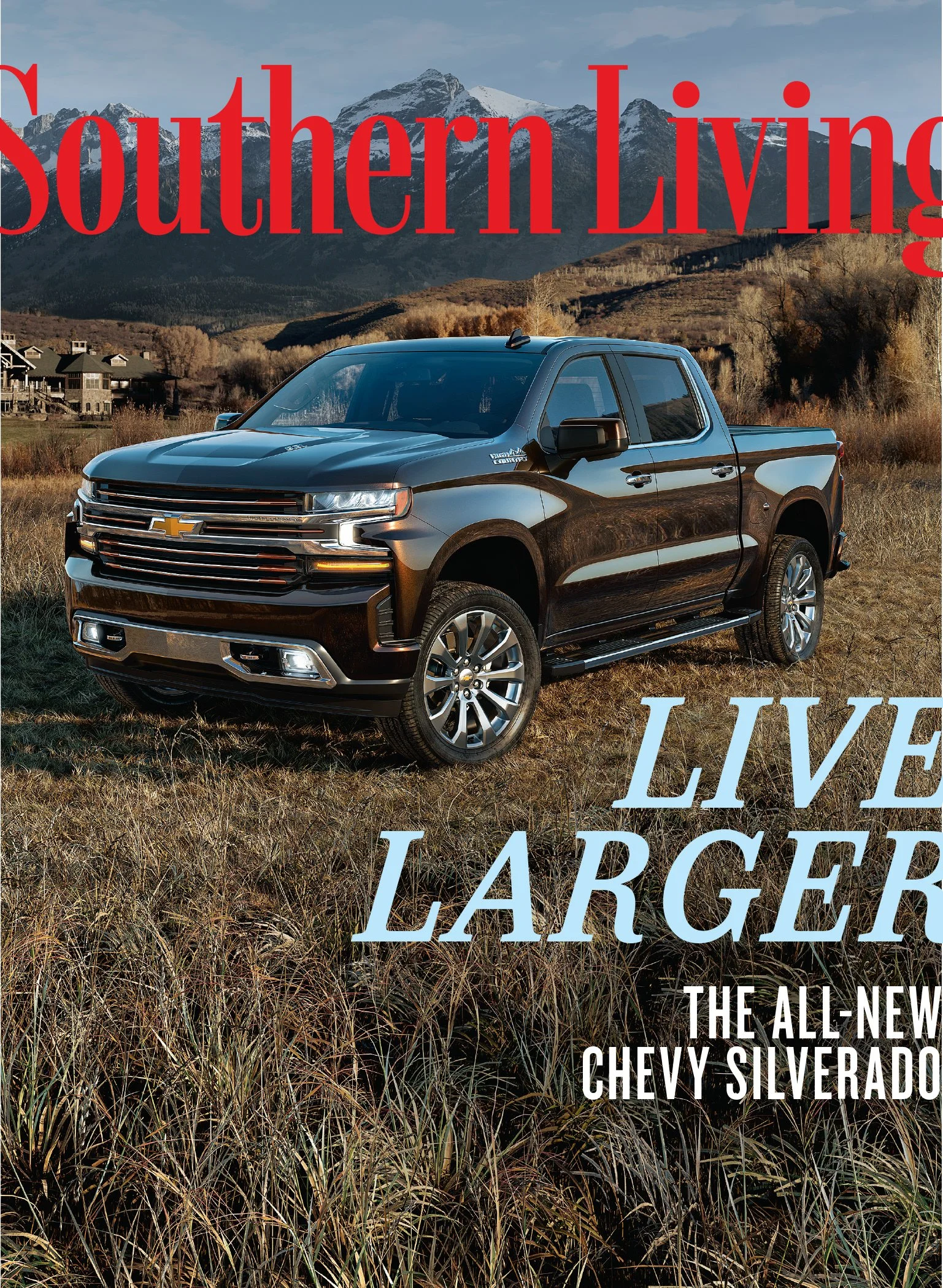

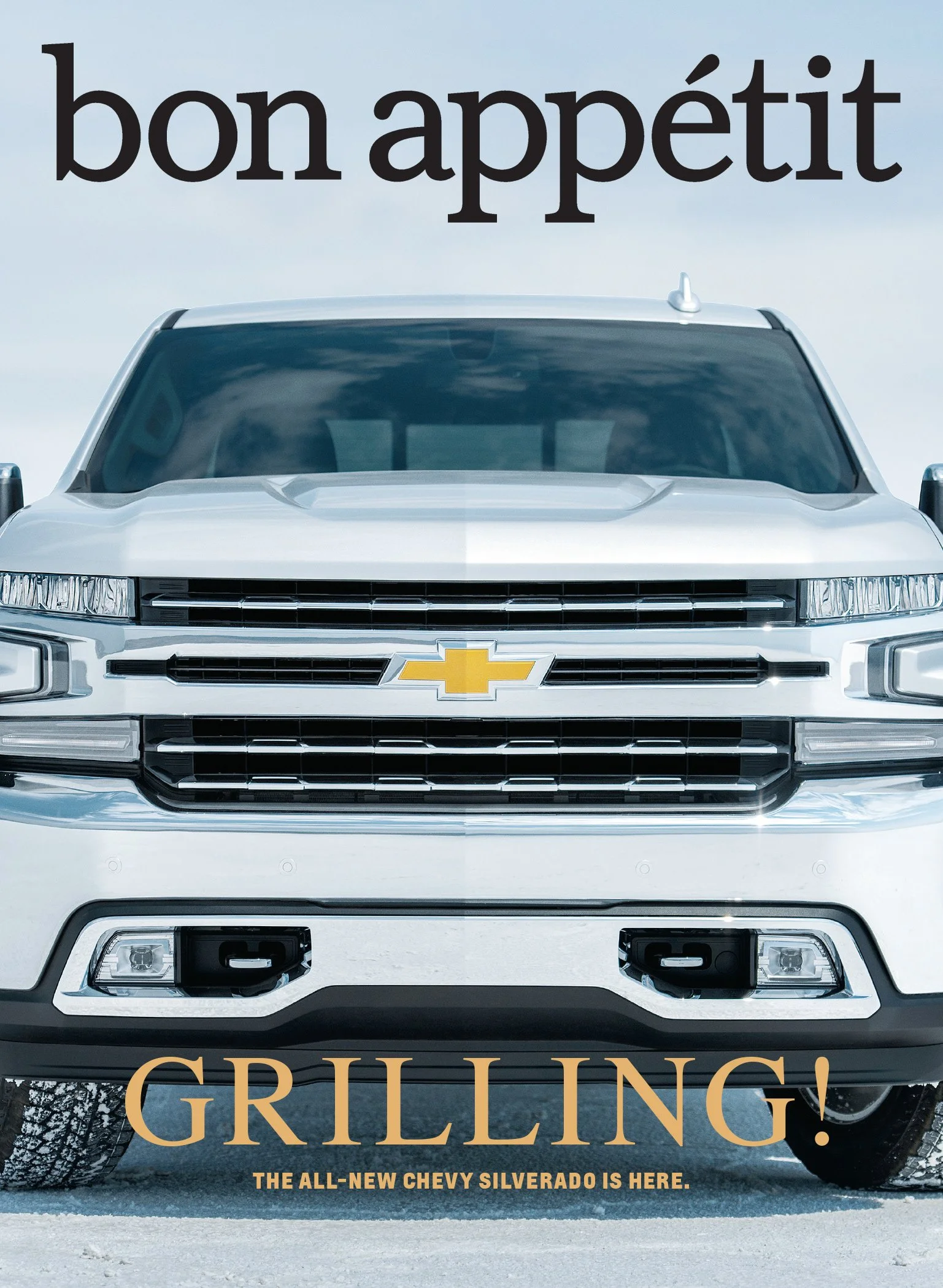


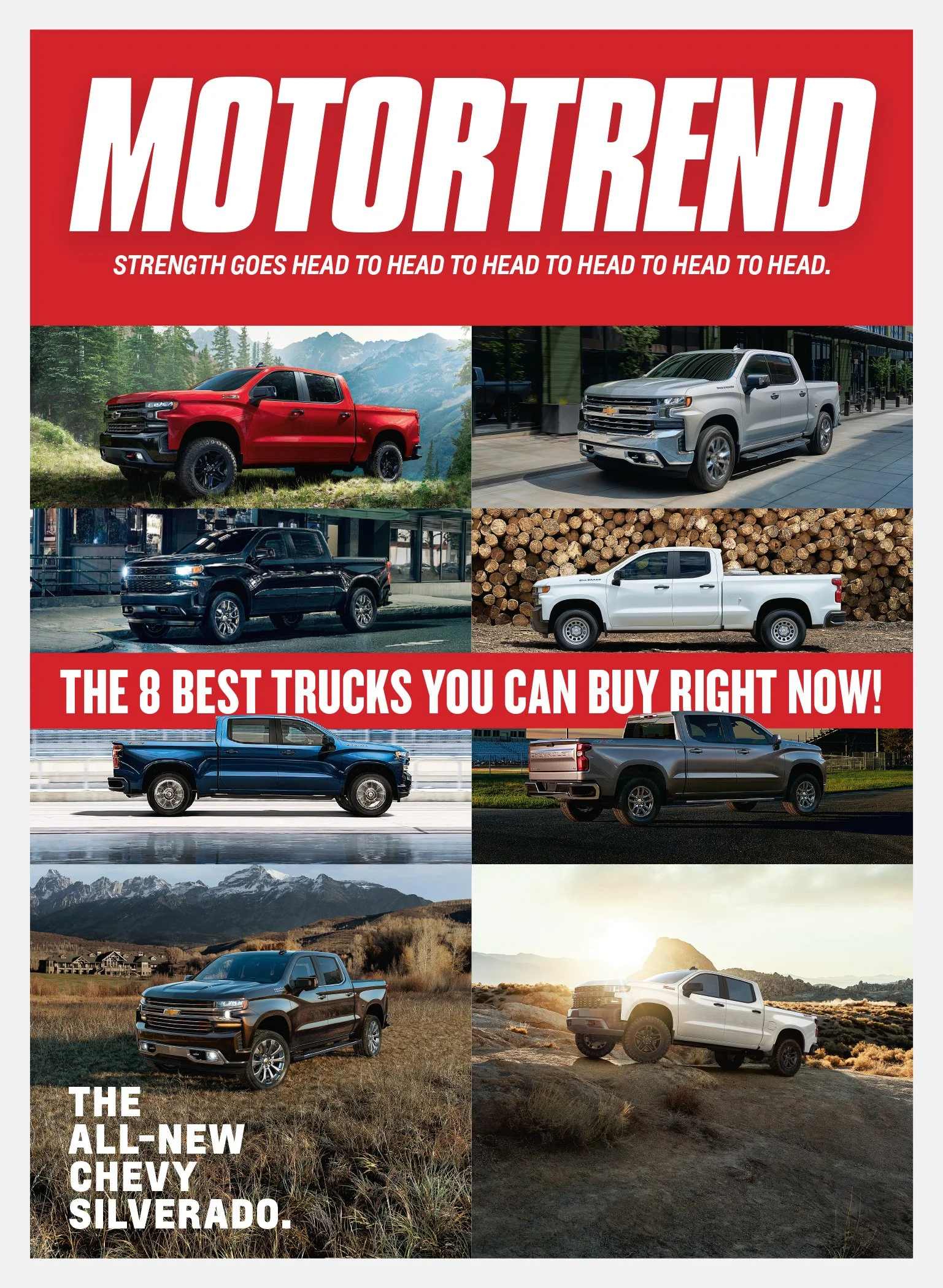
We didn't buy ad space. We collaborated with the editors.
Most magazine advertising works like this: the brand buys the page, the agency makes the ad, and the editorial team makes sure it doesn't look too much like their content. The wall between advertising and editorial is deliberate, protected, and almost never crossed.
We crossed it.
To launch the all-new Silverado, we went directly to the editorial teams at some of America's most iconic publishers and asked a different question than anyone had asked them before: not "can we buy your back page" but "can we make something together that actually belongs in your magazine?"
The answer, remarkably, was yes.
What "editorially native" actually meant.
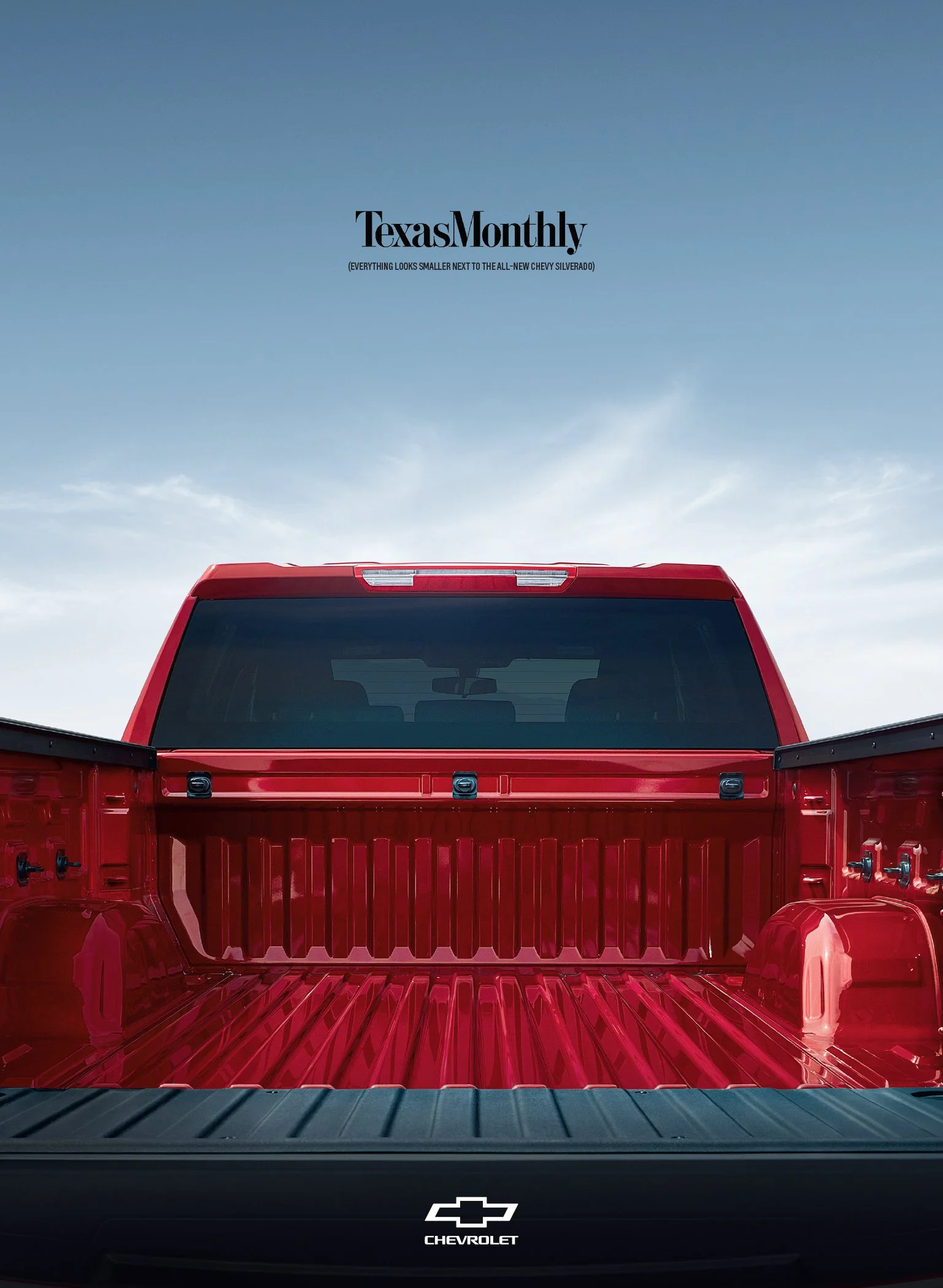
The concept was straightforward and almost unprecedented in practice: every execution would be built in genuine collaboration with each magazine's editorial team, using their visual language, their typography, their layout conventions, and their subject matter expertise with the Silverado integrated as a natural part of the story rather than an interruption of it.
For a science publication, that meant a technical breakdown of the Silverado's engineering that could have run as editorial content — precise, detailed, visually systematic. For an outdoors title, it meant photography and layout that matched the magazine's specific visual texture — the way they shoot landscape, the way they crop, the way they let the environment do the heavy lifting. For a lifestyle publication, it meant something else entirely.
The creative challenge wasn't making a great ad for each magazine. It was understanding each magazine's editorial identity deeply enough to make something that felt like it came from inside rather than outside and then doing that simultaneously across an entire newsstand.
That's a different kind of creative leadership. It requires cultural fluency across multiple audiences, the organizational ability to manage parallel creative relationships with multiple editorial partners, and the conviction to let each execution look genuinely different while still functioning as one coherent brand statement across the full takeover.
The result.
When the campaign ran, the Silverado was everywhere on the newsstand simultaneously but nowhere did it feel like a takeover. It felt like the Silverado had somehow become part of the cultural conversation of every publication at once. Not an advertiser. A participant.
That's the distinction the industry recognized. Communication Arts Award of Excellence is one of the most rigorous design credentials in the business — it's judged on craft and concept equally, and it doesn't go to work that simply looks good. It goes to work that advances the form. D-Show Best of Print confirmed it from the advertising side.
Traditional media still has stunt-level power. But only when it's used with the kind of architectural thinking that treats the medium itself as the creative opportunity not just the container for the message.
What this piece proves: that I can identify creative opportunities that live outside the conventional brief in this case, the relationship between advertising and editorial and build the organizational partnerships required to execute them. The idea was simple. Making it real required going somewhere most agencies never go.
Honors and Awards 2019 Communication Arts Award of Excellence · 2019 D-Show Best of Print